"Waterproof" is one of the most misused words in label ordering. A label that shrugs off condensation in a fridge is not necessarily one that survives a week submerged in an ice bin, and neither is built to live outdoors in the Australian sun for a year. The differences matter, because choosing a label for the wrong level of exposure is how you end up reprinting.
This guide sets out, plainly and conservatively, what our roll labels genuinely handle when it comes to moisture, and where the honest limits are. The aim is to help you match the label to the environment rather than hope for the best.
Water-resistant, not waterproof: the honest distinction
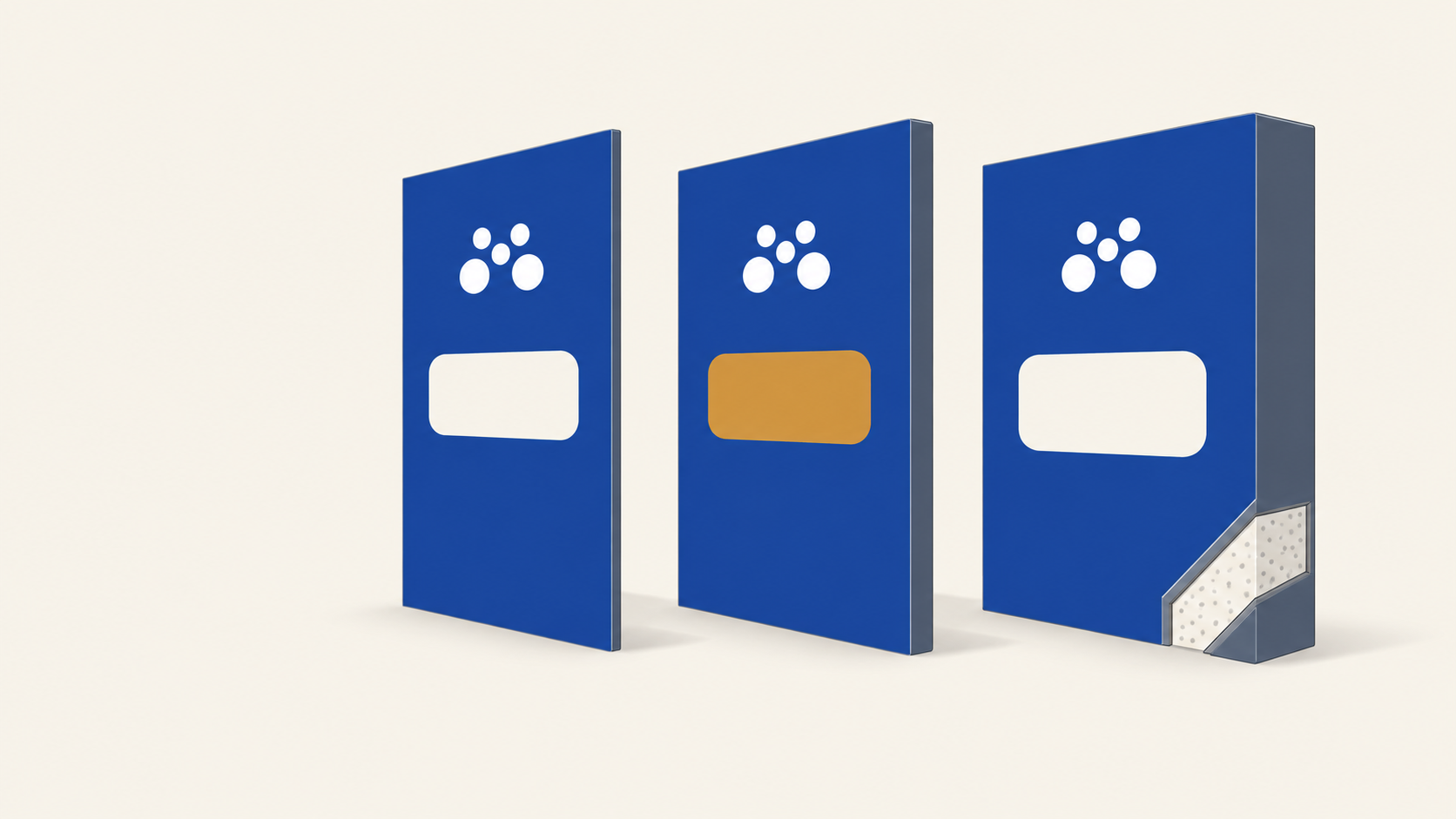
Our BOPP roll labels are water-resistant. The stock is a synthetic film rather than paper, so moisture does not break it down the way it breaks down a paper label, and the acrylic permanent adhesive holds well in cold and damp conditions.
That is different from "waterproof" in the absolute sense, and it is worth being clear about the difference:
- Water-resistant means the label handles moisture, condensation, humidity, and damp environments reliably. This covers the majority of what people actually need.
- Waterproof tends to imply full, prolonged submersion, and that is not what a roll label is built for.
We would rather set that expectation honestly upfront than have a label underperform against a claim it was never designed to meet.
Where our labels perform well
For the common moisture scenarios, BOPP is a dependable choice.
Fridge and chilled products
This is the sweet spot. Chilled bottles, jars, and packaging pick up condensation constantly, and a BOPP label with acrylic permanent adhesive handles that without lifting or curling at the edges. Paper labels tend to soften and let go in these conditions. If your product lives in a fridge or a chilled cabinet, BOPP is the right answer.
Damp, humid, and cold environments
Cool rooms, humid storage, condensation-prone packaging: the synthetic film holds up where paper would wrinkle or break down. The adhesive is comfortable in the cold, including freezer temperatures, which is where a lot of cheaper labels quietly fail.
Occasional or brief submersion
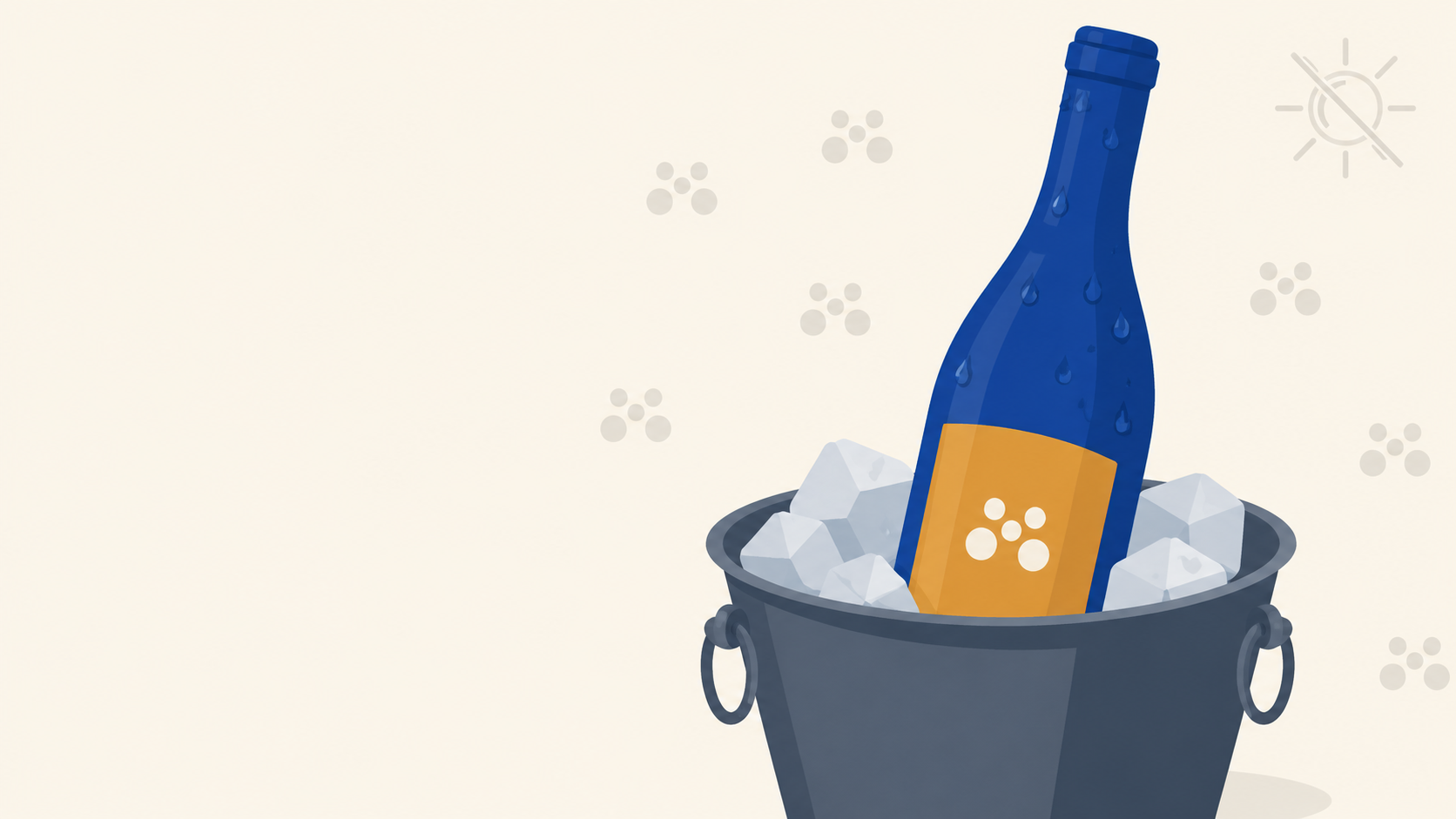
The labels can take submersion, but treat it as a one-off rather than a repeated condition. A bottle sitting in an ice bucket or briefly dunked is within what the stock can handle. What we would not recommend is a product designed to be submerged repeatedly or for long stretches, because that is beyond what a roll label is built to endure reliably. If the use case is genuinely "lives underwater," a label is not the right product for it.
What lamination actually adds
There is a common assumption that lamination is mainly about waterproofing. In practice, for our labels, its real value is ink protection.
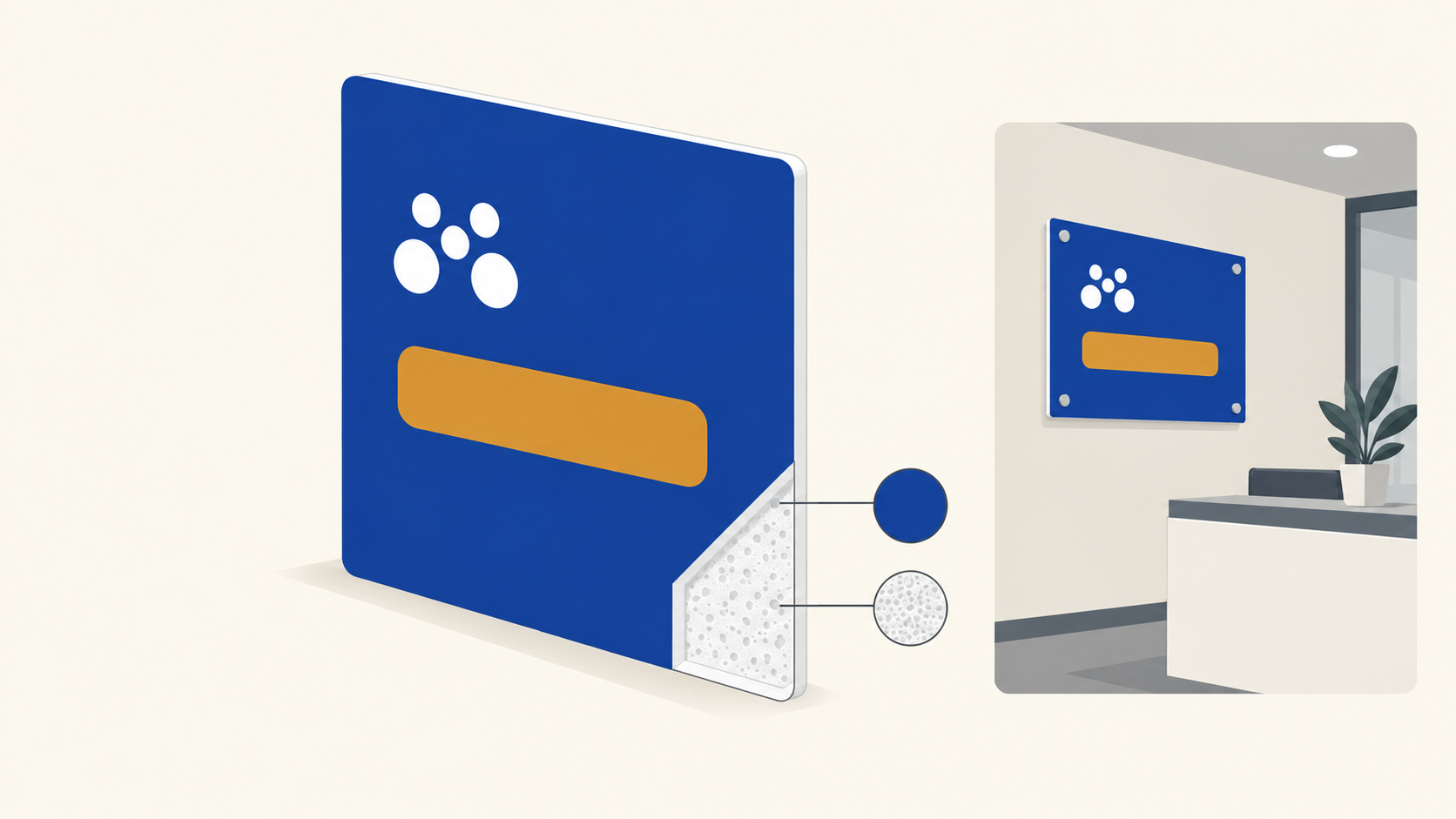
A laminate layer protects the printed surface from abrasion and chemical contact, the scuffing, rubbing, and incidental contact that wears print away over time. That is its main job: keeping the artwork intact on a label that gets handled.
So the way to think about it:
- The BOPP stock gives you the moisture resistance.
- The laminate protects the print from abrasion and incidental chemical contact.
If your product gets handled a lot, rides in transit, or brushes against other surfaces, lamination is the upgrade that keeps the label looking new. It is not a licence to push the label into heavy chemical or washdown environments, which we cover below.
Where a roll label is the wrong product
Being straight about the limits is more useful than overselling. There are two environments where we would steer you away from a roll label.
Long-term outdoor and UV exposure
Roll labels are not built for extended outdoor life. Unlaminated BOPP outdoors will hold for a few months at most before the print begins to degrade, and lamination does not turn a label into an outdoor-rated product. Australian UV is harsh, and it will get to a label long before it gets to purpose-built outdoor media.
If the job needs to survive weeks or months of direct sun and weather, the correct product is a sticker or decal on outdoor-rated media, not a roll label. Specifying that from the start is cheaper than reprinting a faded label a season later.
Heavy chemical exposure and washdown
If a label needs to survive industrial washdown, repeated cleaning with strong chemicals, or sanitiser exposure as a regular condition, a roll label is not the right choice, and we would not recommend one for it. Lamination offers protection against incidental chemical contact, not sustained chemical or washdown environments. If that is the requirement, it is genuinely outside what we would supply for the job.
Matching the label to the exposure
A simple way to think about which way to go:
- Fridge, chilled, damp, humid, condensation → BOPP handles it well. Laminate if it also gets handled hard.
- Handled, rubbed, scuffed, in transit → laminated BOPP protects the print.
- Brief or one-off submersion → within scope, but not for repeated or prolonged immersion.
- Long-term outdoor / direct UV → not a roll label; use a sticker or decal on outdoor media.
- Washdown / heavy chemical / sanitiser → outside what a roll label should be asked to do.
For the full breakdown of which stock suits which product, our roll label material guide covers the four stocks we run and how to choose between them.
Frequently Asked Questions
Are your labels waterproof? They are water-resistant rather than waterproof in the absolute sense. The BOPP film and acrylic permanent adhesive handle condensation, humidity, fridge and freezer conditions, and damp environments reliably. They can take occasional or brief submersion, but they are not designed for repeated or prolonged immersion.
Will the labels survive the fridge and freezer? Yes. This is where BOPP performs best. The synthetic film does not break down with condensation the way paper does, and the acrylic permanent adhesive holds in cold conditions without the label lifting or curling. It is a dependable choice for chilled and frozen product.
Can the labels be submerged in water? They can handle occasional or one-off submersion, such as a bottle in an ice bucket. We would not recommend them for products that are submerged repeatedly or for long periods, because that is beyond what a roll label is built to withstand reliably. For genuinely underwater use, a label is not the right product.
Does lamination make a label waterproof? Not really. For our labels, lamination mainly protects the printed surface from abrasion and incidental chemical contact. The moisture resistance comes from the BOPP stock itself. Laminate is the right upgrade for labels that get handled hard, not a way to push a label into heavy-water or washdown use.
Can I use these labels for outdoor products? Not for long-term outdoor exposure. Unlaminated BOPP outdoors holds for a few months at most before the print degrades, and lamination does not make it an outdoor-rated product. For anything living in the sun and weather for months, a sticker or decal on outdoor media is the correct product.
Will the labels survive cleaning chemicals or washdown? Lamination protects against incidental chemical contact, but roll labels are not suited to industrial washdown, repeated strong-chemical cleaning, or sustained sanitiser exposure. If that is a regular condition for the product, a roll label is not the right choice for the job.
Key takeaways
- Our BOPP labels are water-resistant, not waterproof: reliable with condensation, humidity, fridge and freezer, but not built for prolonged submersion.
- Fridge and chilled use is where BOPP performs best, well ahead of paper.
- Brief, one-off submersion is within scope; repeated or prolonged immersion is not.
- Lamination mainly protects the print from abrasion and incidental chemical contact, not a waterproofing layer.
- Long-term outdoor and UV exposure needs a sticker or decal, not a roll label.
- Heavy chemical and washdown environments are outside what a roll label should be asked to do.
Order labels matched to the job
The right label starts with an honest read of where it has to survive. Mediapoint runs trade-only, blind-shipped BOPP and paper roll labels, laser cut with a clean edge and turned around from two business days. Have a look at roll labels or send your artwork through for a quote, and we will help you match the stock and finish to the environment before it prints.