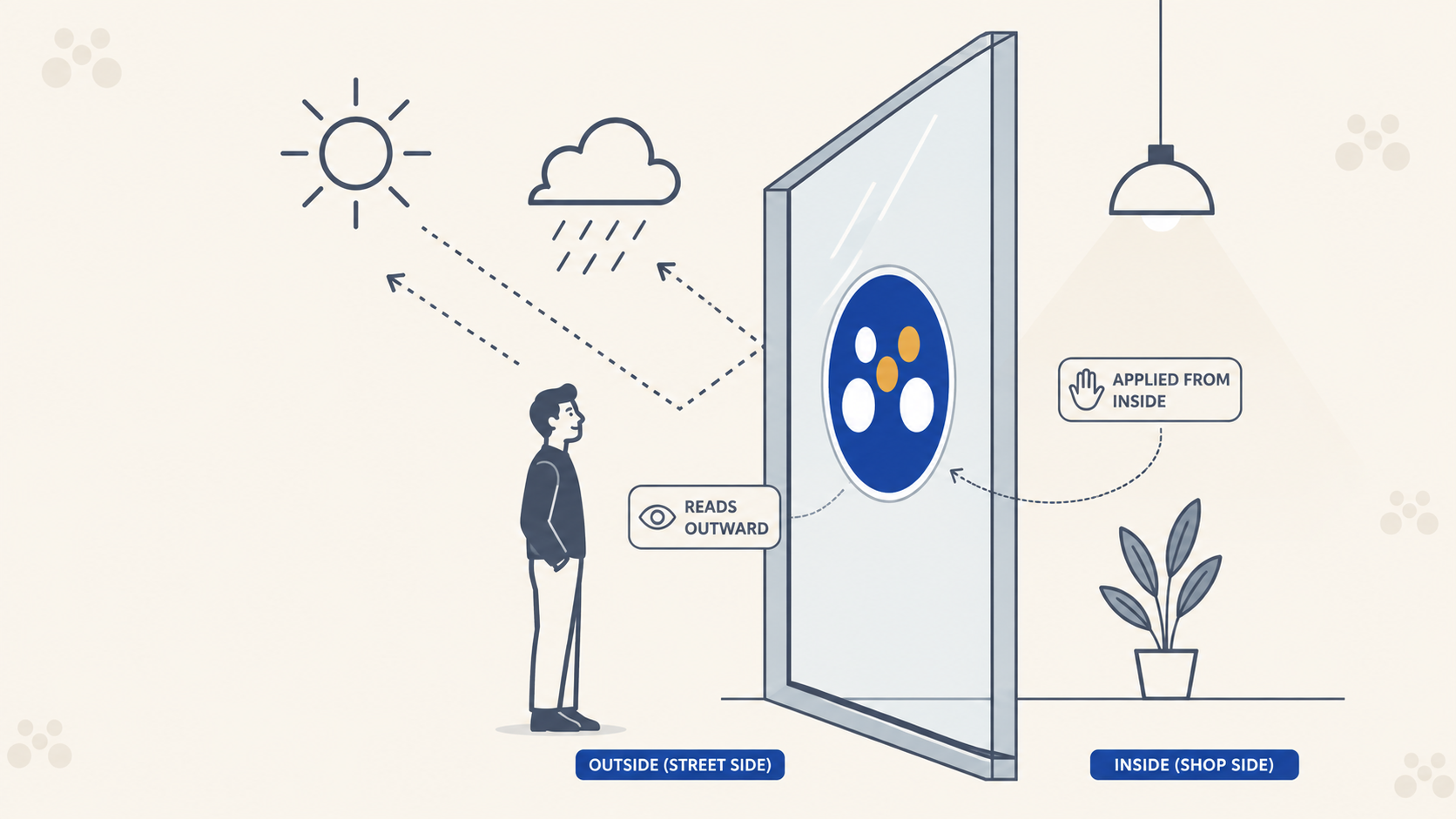
Reversed stickers are one of those products that confuse people right up until the moment they click, and then they seem obvious. The short version: the sticker goes on the inside of the window, but reads correctly from the outside. The glass does the protecting, and the artwork faces the street.
Here is how they work, when to use them, and how the artwork needs to be set up.
What a reversed sticker actually is
A standard sticker is printed on the face of the material and applied to the outside of a surface, so the print faces the weather.
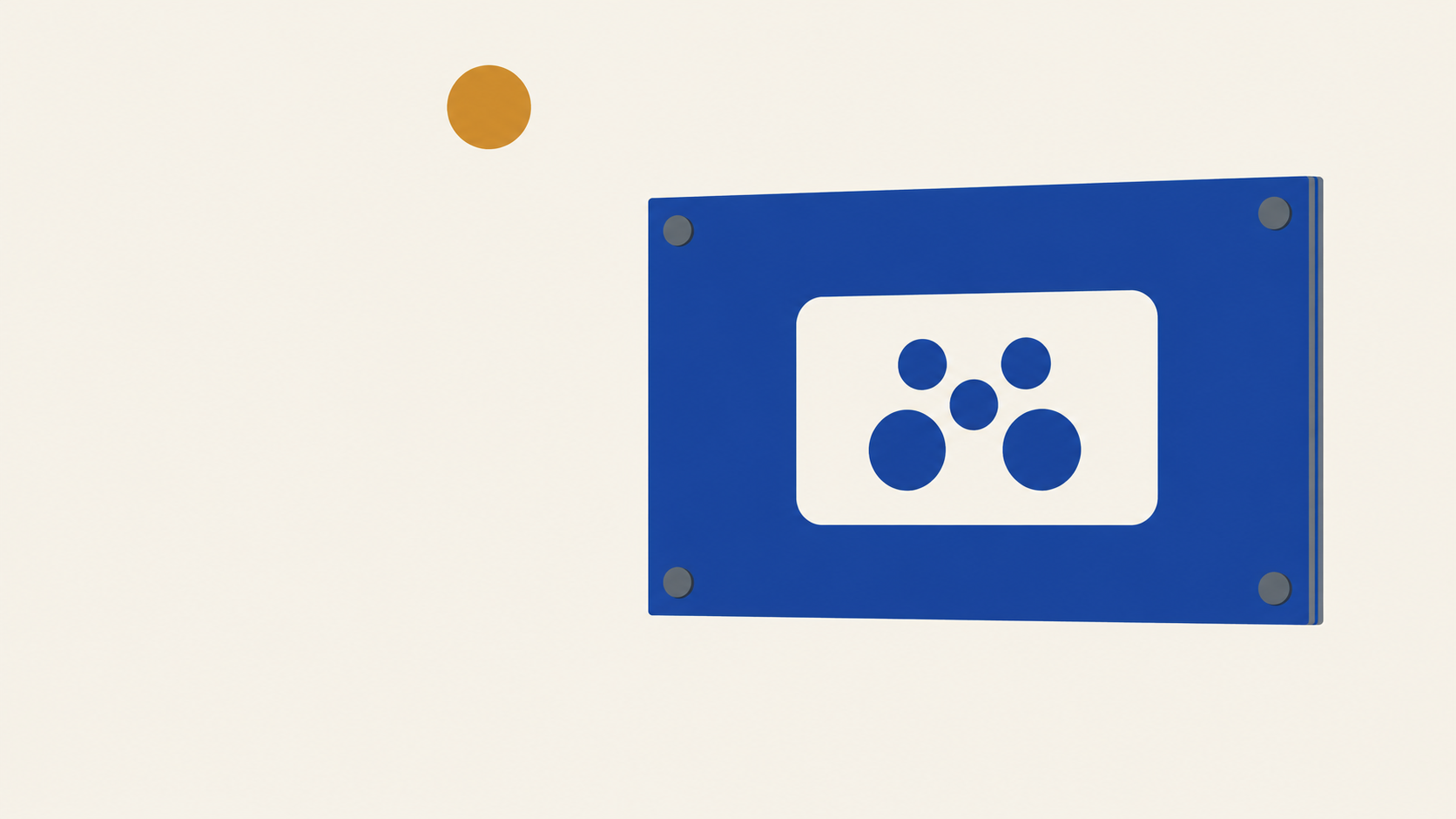
A reversed sticker flips that. The artwork is printed in reverse (mirrored) onto clear film, and then backed in white. The sticker is applied to the inside of a window, print side against the glass. Looked at from the street, the artwork reads the right way around, in full colour, with the white backing making the colours solid instead of translucent.
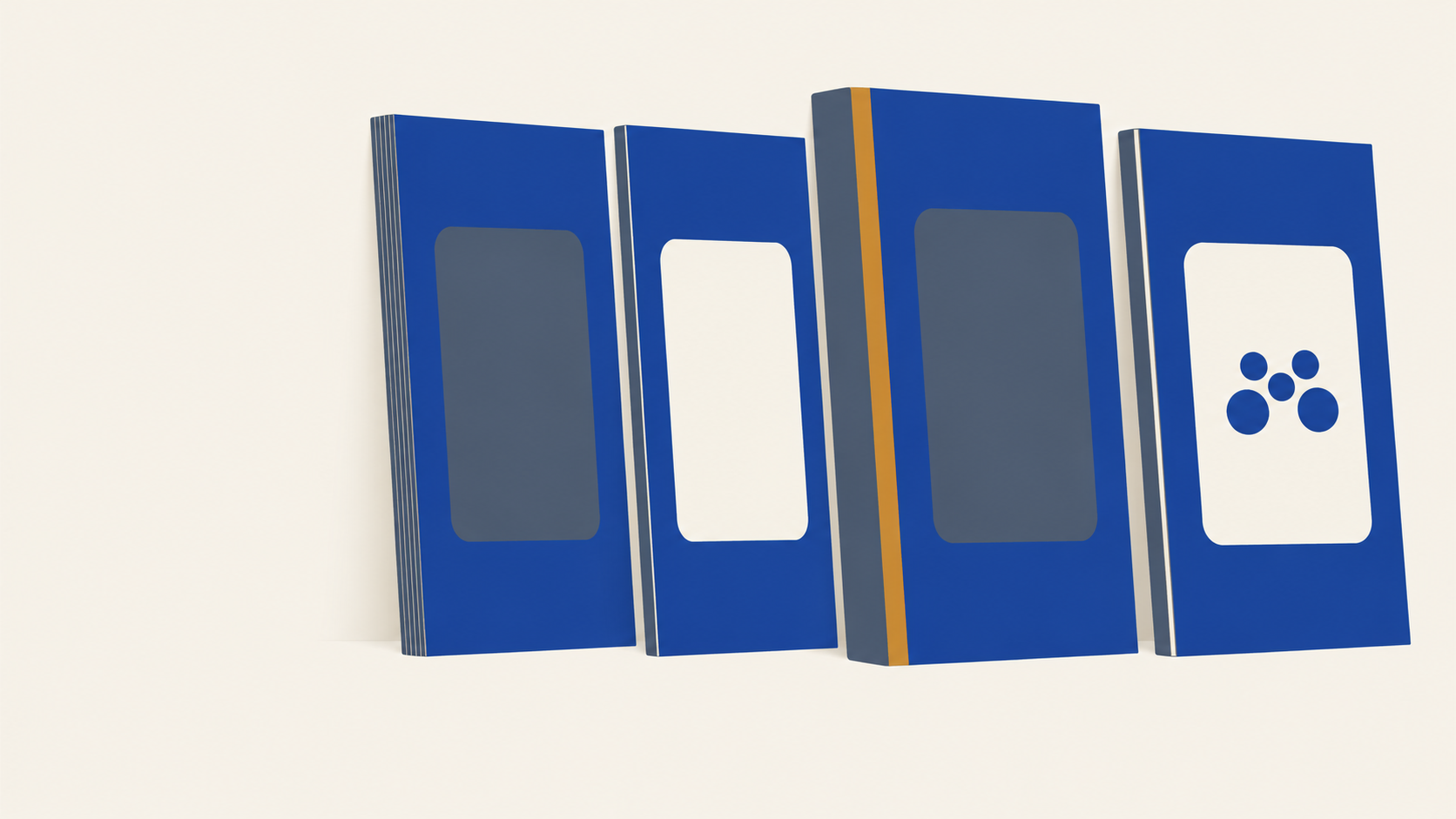
So the layer order, from the street inward, is: glass, then the reversed print, then the white backing. The white also does a second job: it blocks light from behind, so the graphic stays punchy against whatever is going on inside the shop.
Why inside the glass beats outside
Applying from inside sounds like a small detail. It changes almost everything about how the sticker survives:
- No weather exposure. The print never sees rain, hail or wind. The glass takes all of it.
- No UV directly on the ink. The window intercepts the sun first, which meaningfully slows fading compared with an externally applied sticker cooking on the outside of the same glass.
- No vandalism or peeling. Nobody can pick at an edge, scrape it, or tag over something they cannot touch. For shopfronts in busy strips, this alone is often the reason to go reversed.
- Cleaning is trivial. The outside of the window gets squeegeed as normal, straight over where the graphic sits, because the graphic is not there.
That combination is why we describe reversed stickers as our most durable outdoor-facing option: the trick is that the product is never actually outdoors.
Where reversed stickers make sense
The natural home is anything glass-fronted where the message faces out:
- Shopfront branding — logos, taglines and campaign graphics across retail glass.
- Trading hours and door signage — the classic use, neat and protected instead of peeling at the corners.
- Window campaigns and promotions — seasonal offers applied and removed from inside, no ladder on the street side.
- Office and reception glass — branding that reads to visitors while staying clean and tamper-free.
- Vehicle interior glass — rear-window messaging applied from inside the cabin.
The common thread: the viewer is outside, the sticker is inside, and the glass in between is doing free protective work.
Where they don't fit
A few honest boundaries, so the product is specced right:
- They need glass (or another transparent surface). A reversed sticker on a wall is just a mirrored print, there is no application that makes sense off glass.
- Heavily tinted or coated glass mutes them. Dark tint sits in front of the artwork and dulls it. On strongly tinted windows, an externally applied sticker may read better, at the cost of the protection.
- Frosted or textured glass distorts the print. The graphic sits flat against the inner surface, so anything that diffuses the view diffuses the artwork too.
- One-way visibility is a different product. If you need to see out through the graphic (a perforated window film), that is not a reversed sticker; talk to us about the job and we will point you at the right product.
Setting up artwork for reverse printing
The good news: you do not need to mirror the artwork yourself. Supply the file the right way around, as it should read from the street, and the reversing happens in production. Sending pre-mirrored files is actually the common mistake, because a double flip puts the finished sticker backwards.
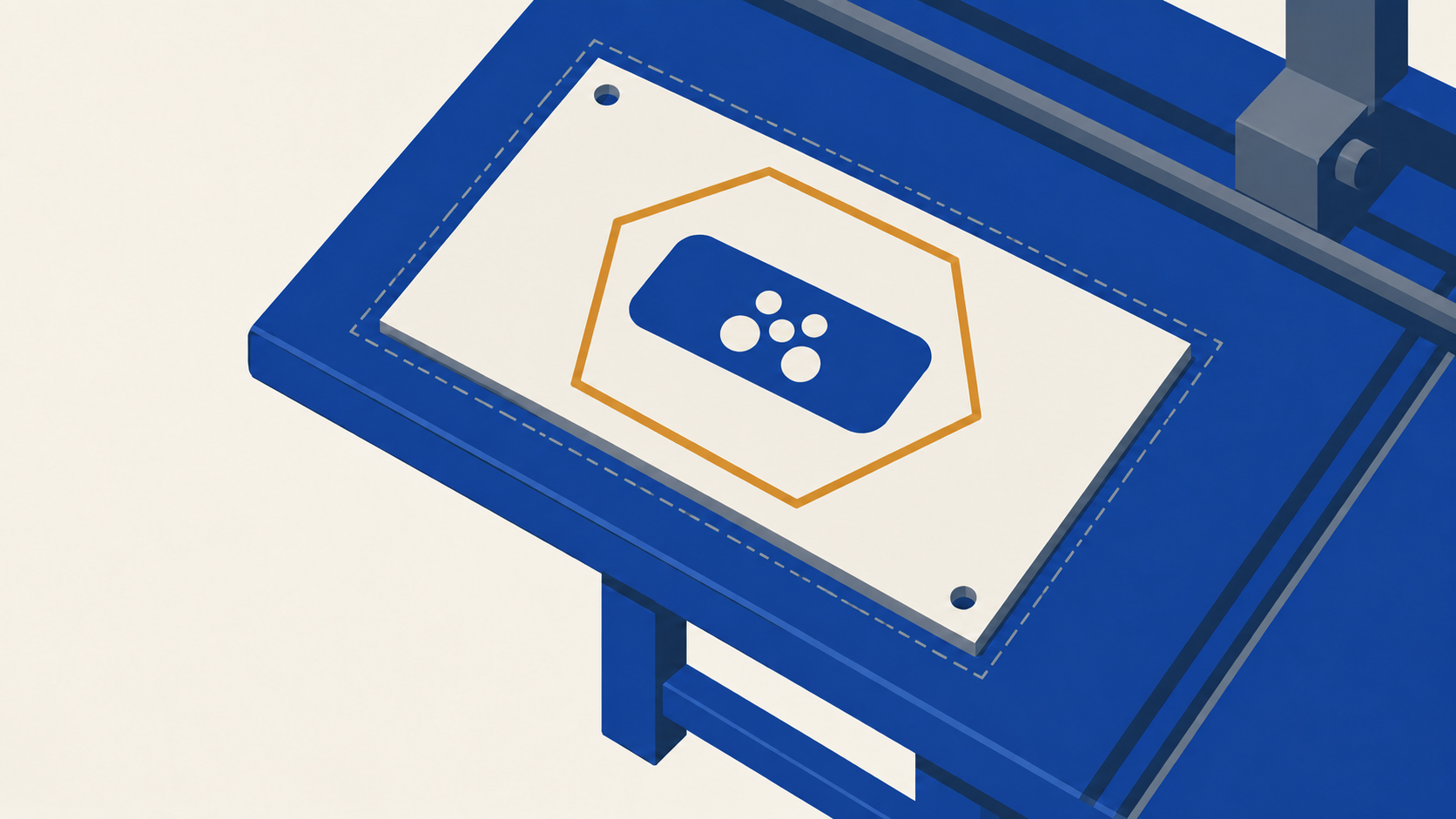
Beyond that, the usual sticker artwork rules apply: CMYK, 3mm bleed, fonts outlined, print-ready PDF, and a simple shape (we cut circles, ovals, squares, rounded rectangles and straightforward outlines on our Zund cutters). The white backing is part of the product, so there is no white-ink setup for you to do, the backing layer handles solidity.
One design note worth passing to clients: because the graphic sits behind glass, glare on the window is part of how it will be seen. Bold, high-contrast artwork reads through reflections far better than fine detail and thin type. Design for someone glancing from footpath distance, not studying at arm's length.
Reversed versus standard clear stickers
Both print on clear film, so the two get mixed up. The difference is direction and backing:
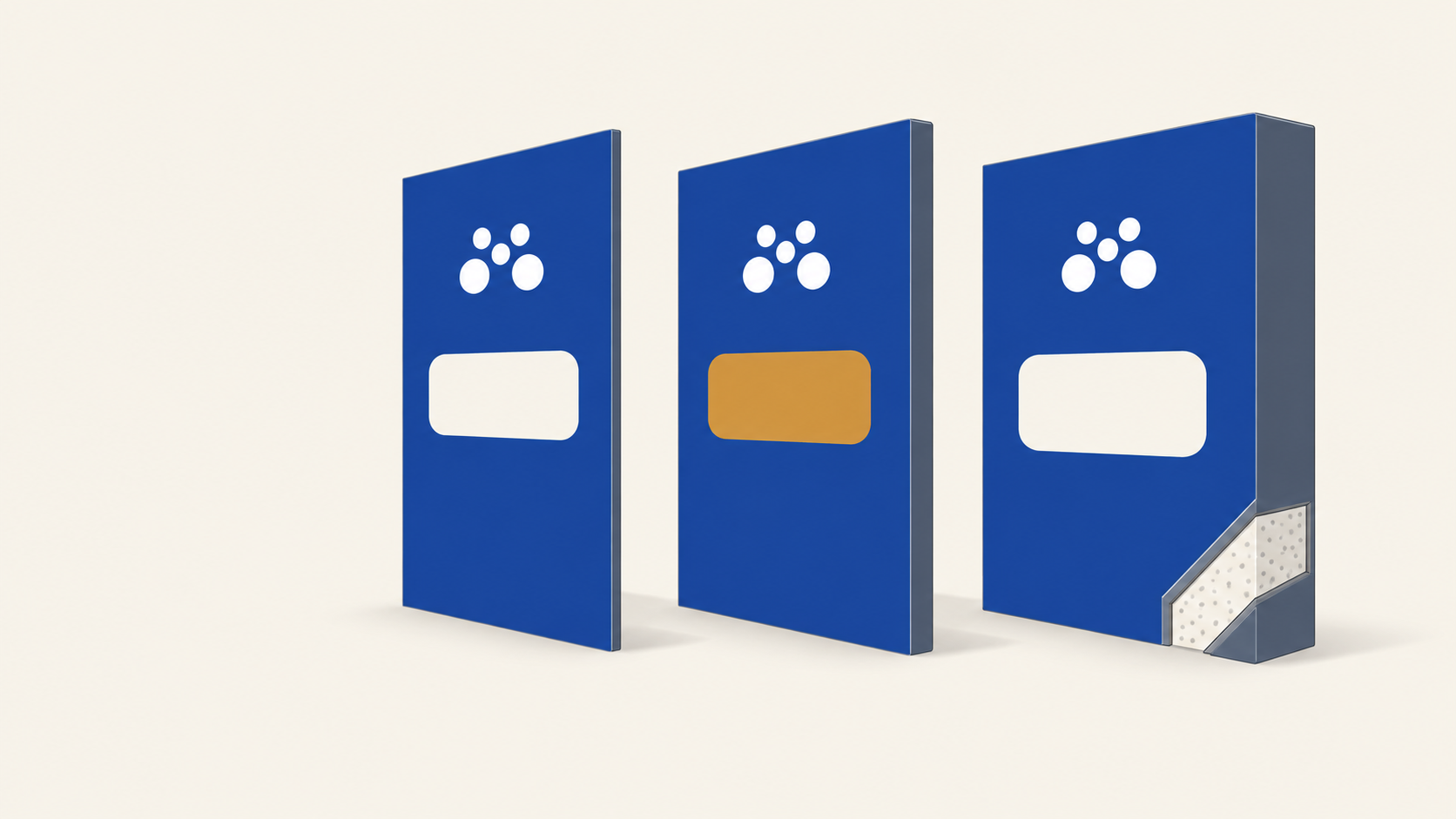
- Standard clear sticker: printed right-reading, applied to the outside of the glass, print facing the viewer directly. Unprinted areas are see-through. White ink may be needed under the artwork for solidity.
- Reversed sticker: printed mirror-image, backed in white, applied to the inside. Reads correctly through the glass, fully opaque where printed, and protected by the window.
If the surface is accessible from inside and the message faces out, reversed is usually the better product. If the sticker must sit on the outside (no interior access, or the visual effect calls for it), standard clear or white vinyl is the tool, and our sticker material guide covers those options.
Frequently Asked Questions
What is a reversed sticker? A sticker printed in mirror image on clear film and backed in white, applied to the inside of a window so the artwork reads correctly from outside. The glass protects the print from weather, UV and tampering, and the white backing keeps the colours solid and opaque.
Do I need to mirror my artwork for a reversed sticker? No. Supply the artwork the right way around, exactly as it should read from the street, and the reversing is handled in production. Pre-mirrored files are the most common error, because they end up double-flipped and print backwards.
How long do reversed stickers last? Longer than any externally applied sticker, because the print never faces the weather and the glass intercepts UV before it reaches the ink. They are the most durable outdoor-facing sticker option we produce for exactly that reason.
Do reversed stickers work on tinted windows? Tint sits between the viewer and the artwork, so it dulls the graphic. On light tint the effect is minor; on heavily tinted or coated glass an externally applied sticker may read better, at the cost of losing the glass's protection. If in doubt, tell us the glass and we will advise.
Can I see through a reversed sticker from inside? No. The white backing makes the printed area opaque from both sides. If you need graphics you can see out through, that is a perforated one-way film, which is a different product, and we can point you in the right direction for that job.
What surfaces suit reversed stickers? Clear glass and other transparent surfaces where the viewer is on the far side: shopfronts, doors, office partitions and vehicle rear windows. They are not a product for walls or opaque surfaces, since the whole mechanism depends on reading through the glass.
Key takeaways
- Reversed stickers print mirrored on clear film, are backed in white, and apply to the inside of glass, reading correctly from outside.
- The glass does the protecting: no weather on the print, less UV on the ink, and nothing for anyone to peel or deface.
- Supply artwork right-reading; production handles the mirroring. Pre-flipped files are the classic mistake.
- The white backing makes the graphic opaque and punchy, no white-ink setup needed on your end.
- Tinted, frosted or coated glass compromises the effect; see-through graphics need a perforated film instead.
- Design bold and high-contrast, the graphic competes with window reflections at footpath distance.
Order reversed stickers
For glass-fronted branding that stays sharp for years, reversed stickers are the smart spec, and the artwork setup is no harder than a standard sticker. Mediapoint prints trade-only, blind-shipped reversed stickers UV on clear film with white backing, cut clean on our Zund digital cutters. Send your artwork through for a quote, right way around, and we will handle the rest.