


Blog
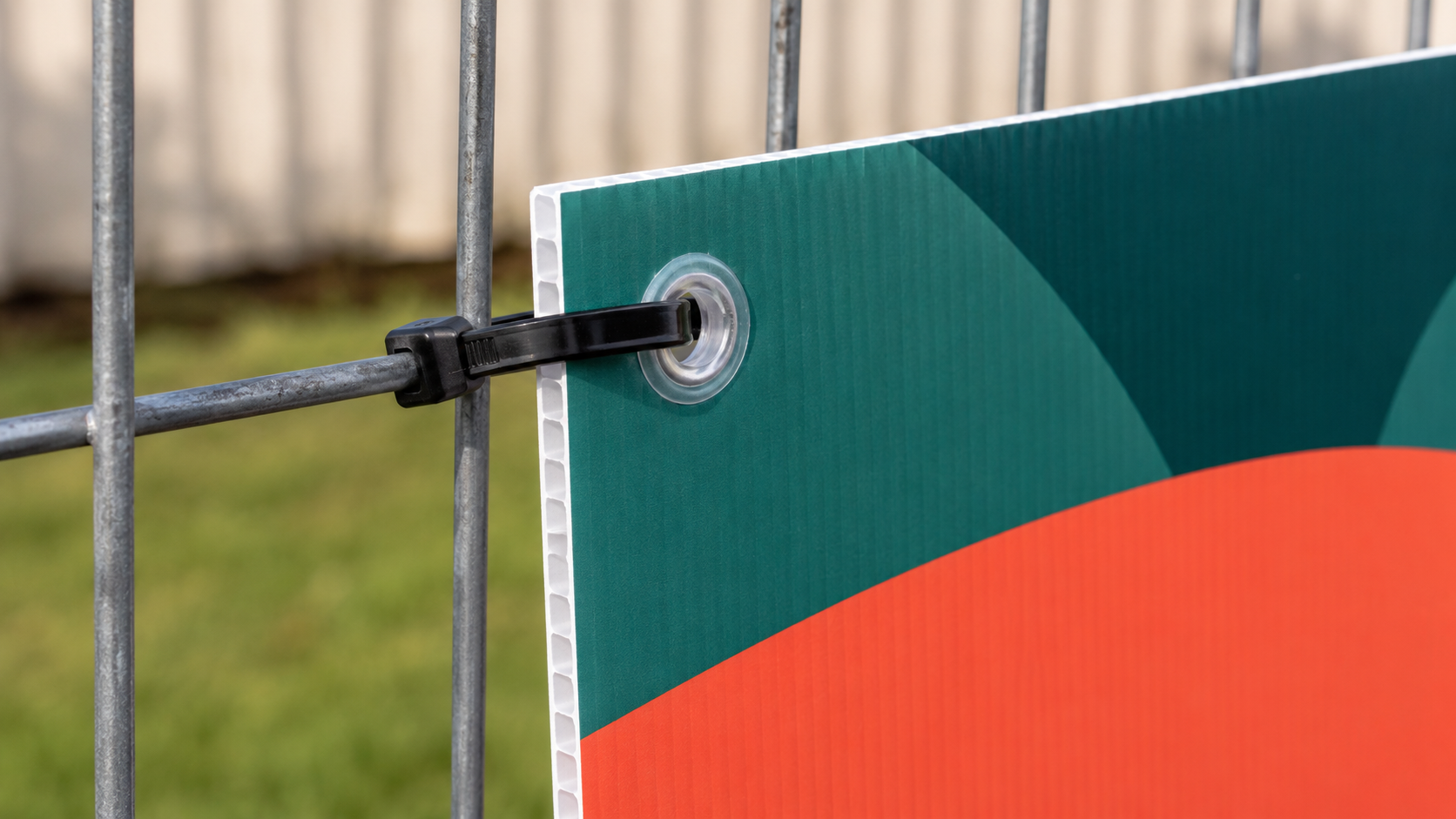





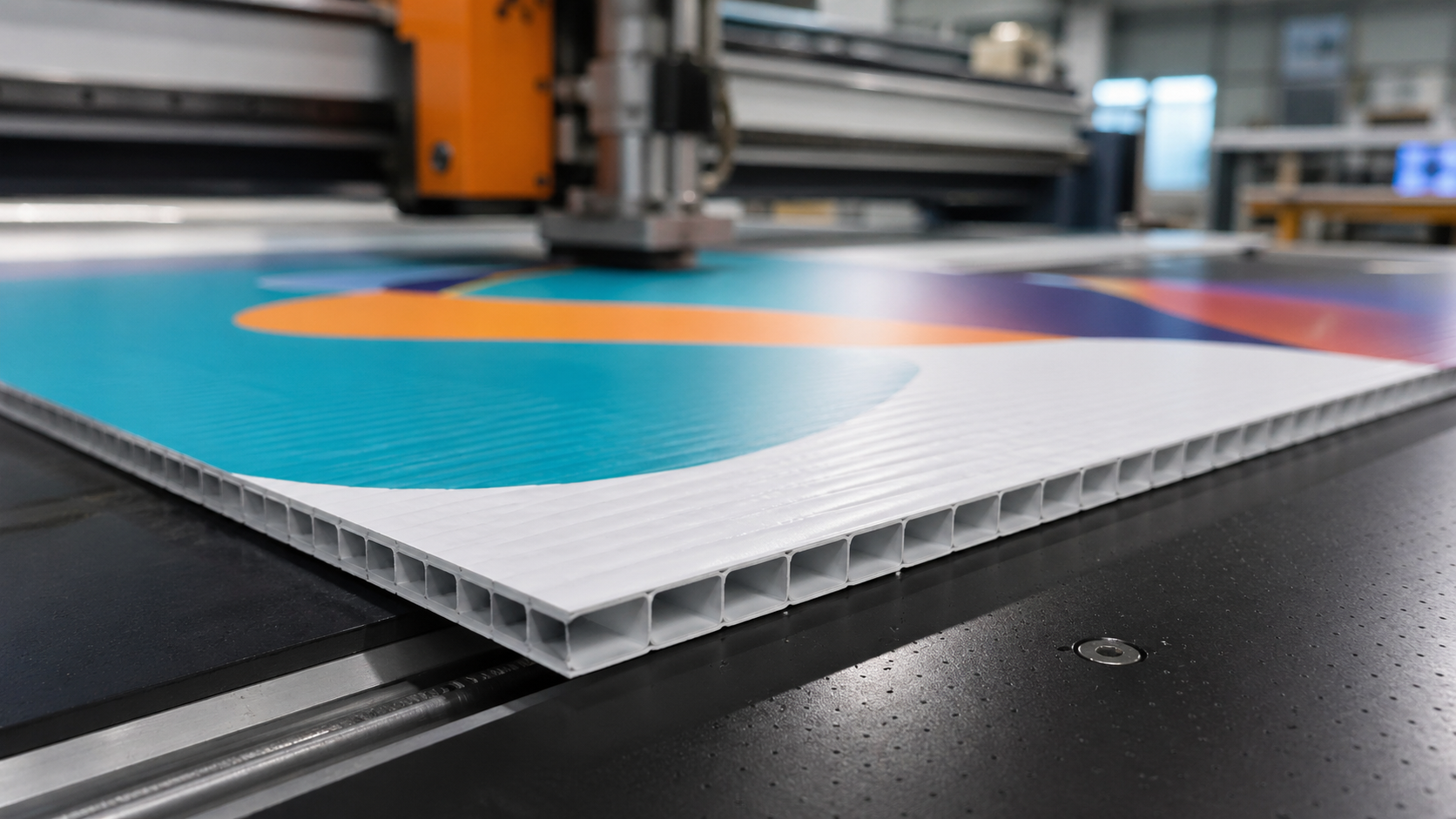

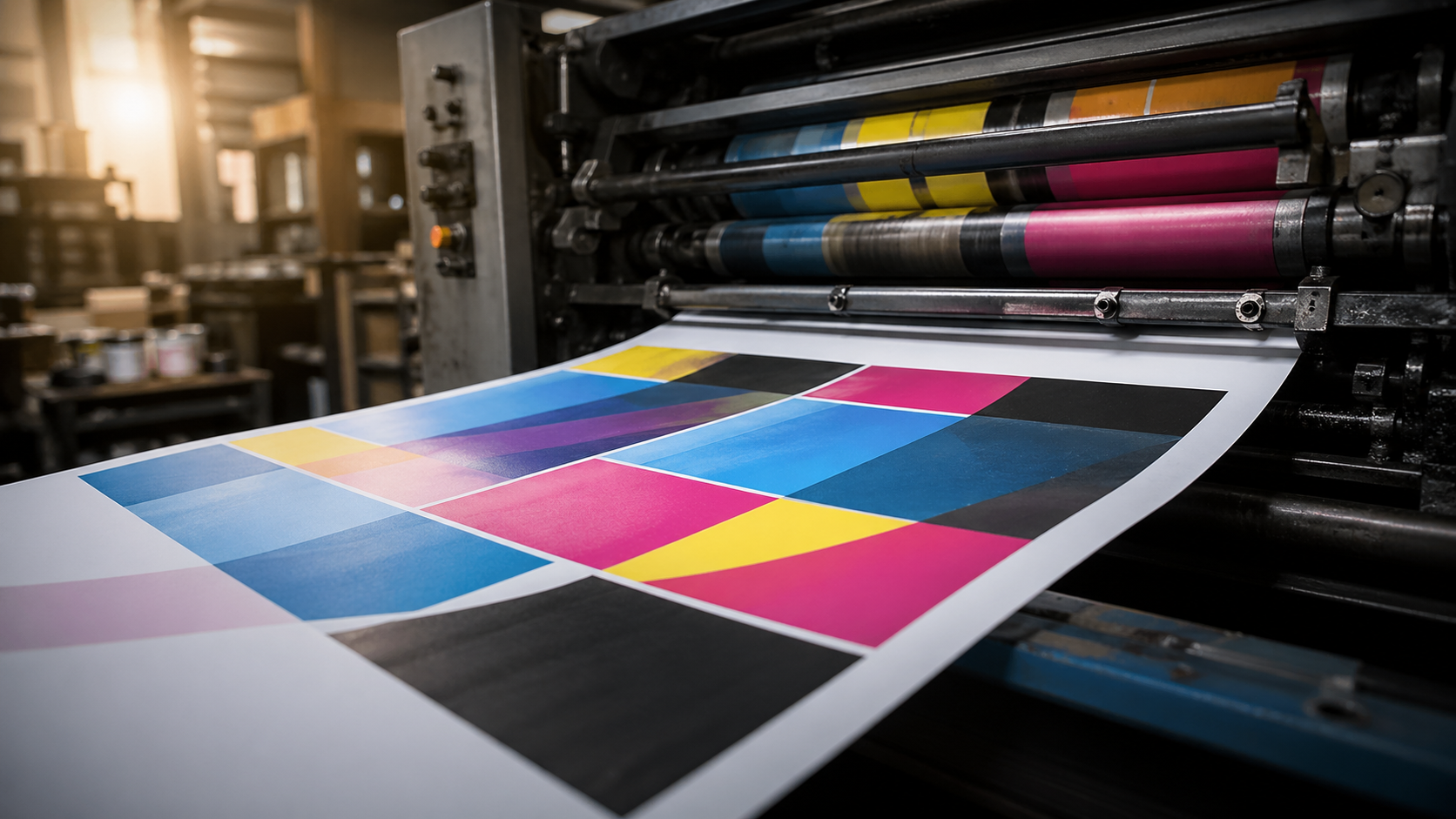

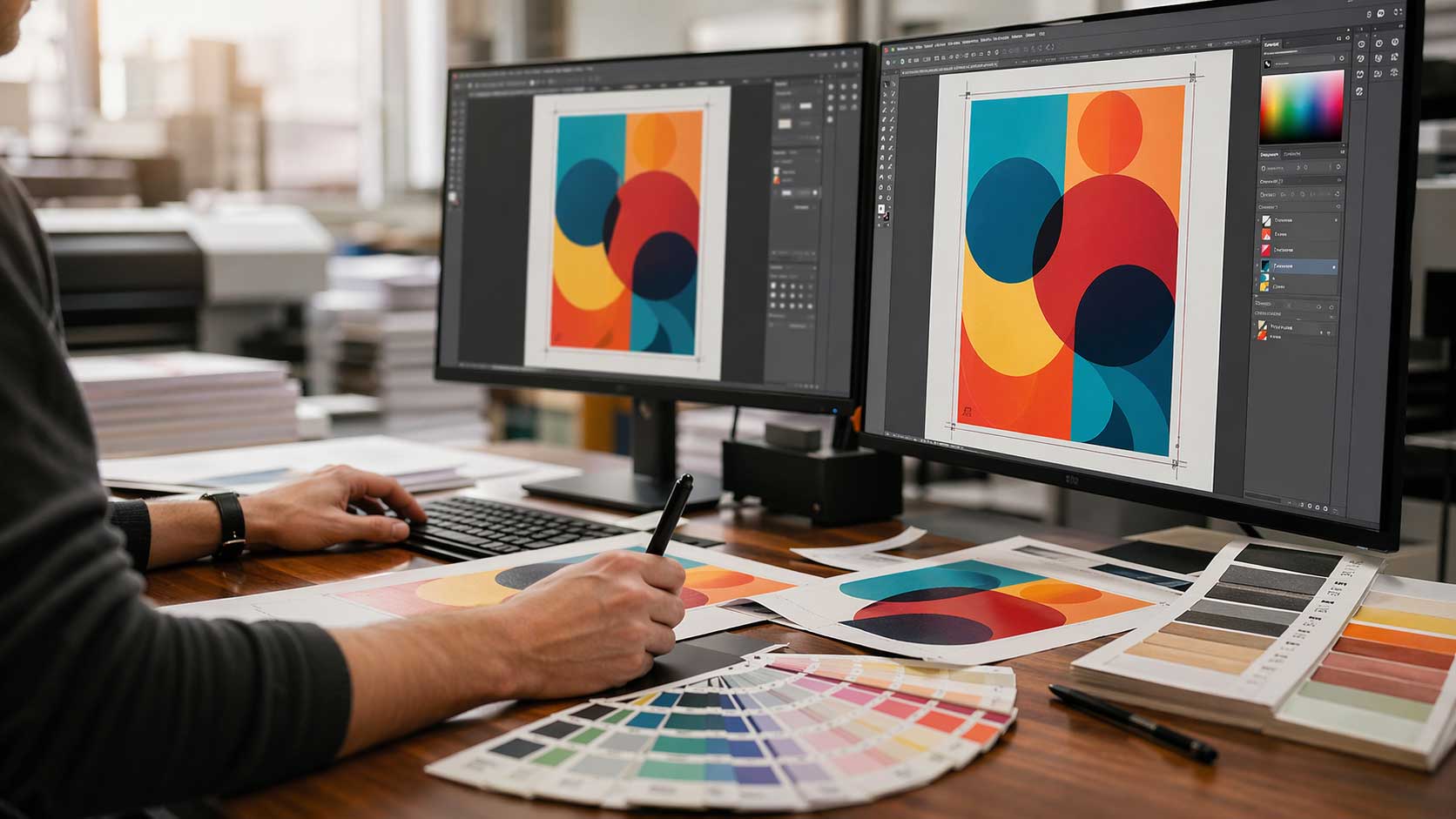
Good design on screen doesn't always translate to good print. Most print problems aren't caused by the press, they're caused by file setup decisions made weeks earlier. Here are ten fundamentals that separate clean jobs from reprints.
Most print software assumes fixed products and simple workflows. Our business doesn’t work that way. Here’s why we built our own print platform and what it unlocks for customers.

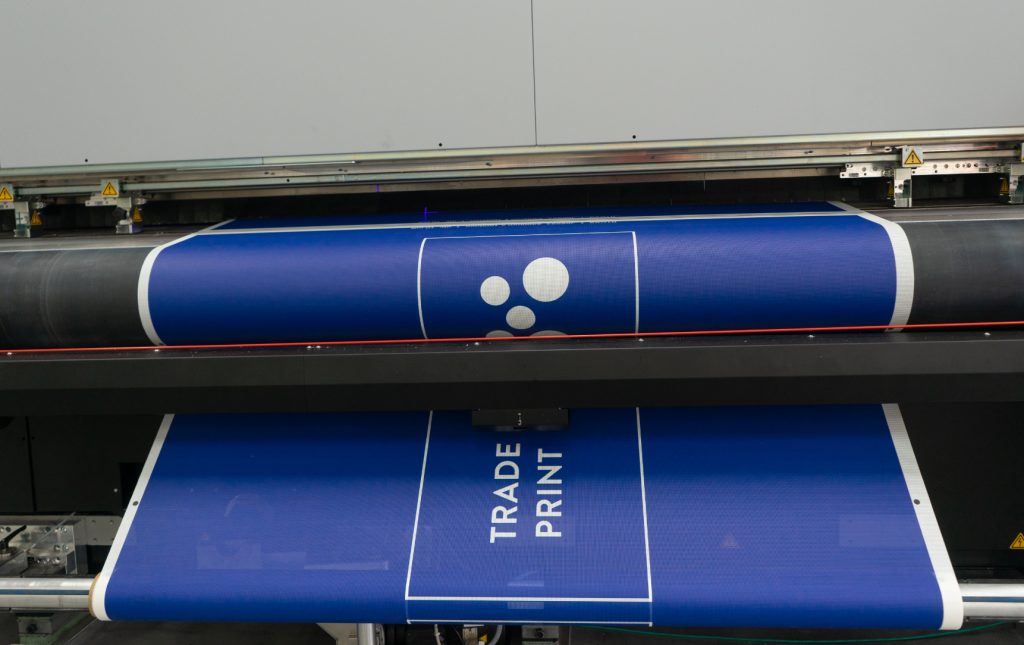
Today we’re delving into what our automated trade printing quotes mean for customers and why we’ve invested in such a system. Automation underpins the effectiveness (and efficiency) of our printing processes. It enables Mediapoint to deliver on turnaround guarantees for over 150 orders a day. This ability for a trade printer to deliver is critical. Without a slick process in place it would be very hard for teams to achieve targets. That’s not to mention that some trade printing businesses use a manual quoting process as throttle / delay.
The Mediapoint trade printing story is one of ambition, learning, and dedication. Read on to learn where we’ve come from and where we’re going. Mediapoint has been servicing trade printing for almost two decades. Throughout that time we’ve consistently developed our capabilities and focused on providing value wherever possible. Our wealth of experience, lean processes and wide range of equipment make us the perfect partner for enterprise resellers. The Mediapoint Trade Printing Story Starts In A Lounge Room. Our first print run was in the family lounge room in 2006. We started with just $1000 and one offering – signage. Through contacts of the family business (a commercial cleaning company) we identified that local businesses needed quality signage. It was a truly bootstrap operation that took over the household. We learned a lot about printing very quickly – particularly that having the right equipment was key.
We discuss why evaluating a trade printer, whether you’ve already got one or if you’re just starting to explore the trade printing option, can save you administrative headaches and money. Here we discuss the key ways resellers can evaluate their trade printer to make sure they are getting the best deal.
As a company offering your customers large format printing products, it can often be a challenge to grow your print revenue. You might have issues with staff, space, equipment and time. But what is your biggest asset? Why Leveraging Your Customer Base Is So Important. Here are some hard-hitting facts about your biggest asset which is your existing customer base: An existing customer costs 5 times less than it does than to acquire a new customer. The easiest way to increase your profit by 25% – 95% is to increase customer retention by just 5%. You only have a 5-20% chance of selling a product to a new customer as compared to 60-70% with an existing customer.

We often get asked by our customers, how they can convert more quotes on our products such as corflute and banners. Most people initially go down to price. But based on the data and trends we have seen; this is not necessarily the case. What the Data Tells Us. From our top 20 customers, we have seen that they are all creating value in different ways. By doing this they are creating a more premium product they can charge more for. From the data it also tells us 2 clear things: That our customers are using our system to get pricing quickly. When their customer requests a quote, they are not waiting on us to get back to them. They are getting the quote accurately through our IQ system and getting back to their customer in minutes.

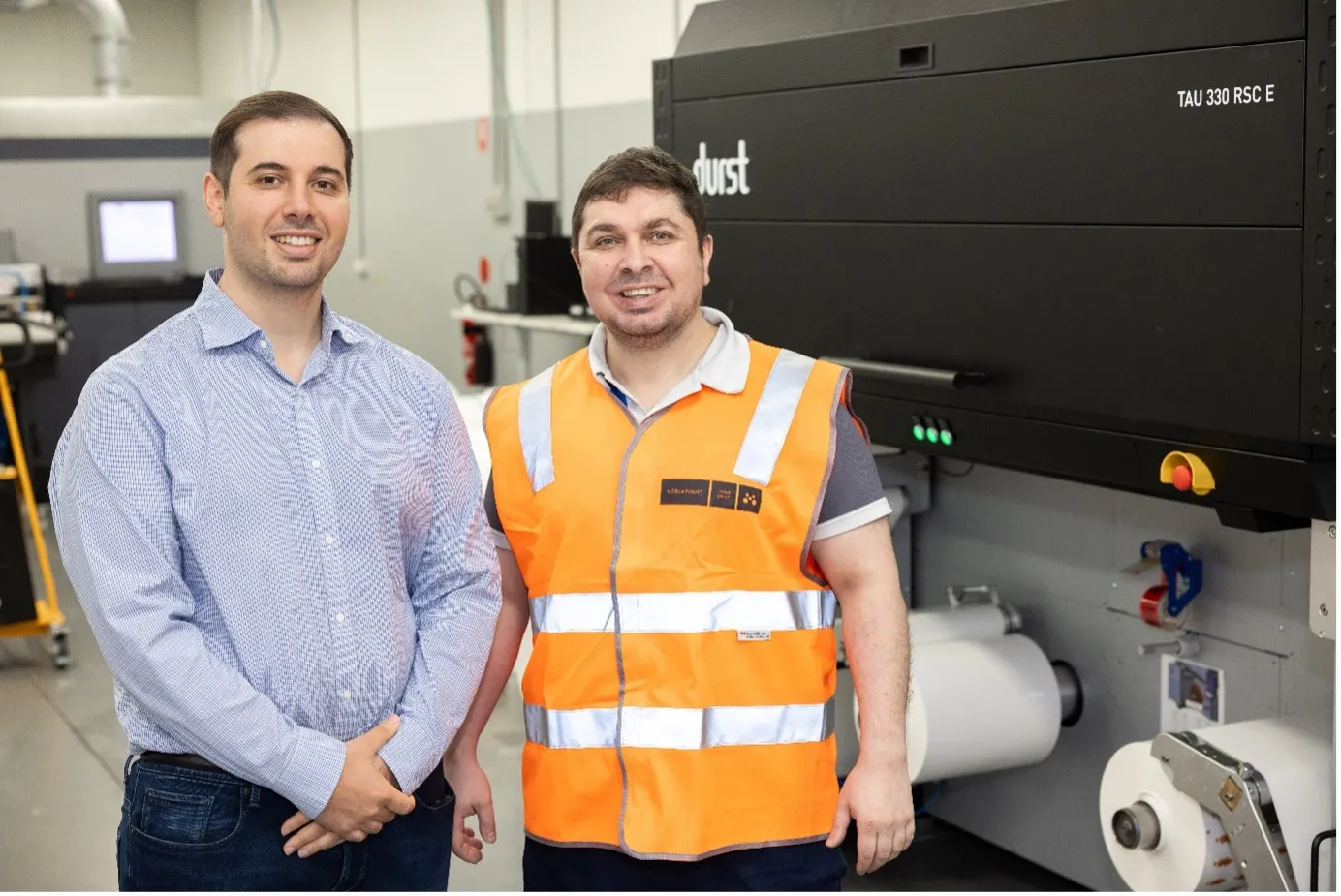
Jamie discusses the benefits gained from maintaining relationships with suppliers in the print industry. Read on to learn more. As a trade printer that specialises in working closely with print resellers and print brokers, we understand the importance a solid customer-supplier relationship. This is why we make it a priority to maintain strong partnerships with several leading equipment manufacturers. One of our longest, and most beneficial, relationships is with Durst. We recently visited their HQ in Europe to learn more about new equipment, print industry trends. It was also another opportunity to experience firsthand the benefits that a solid relationship provides ourselves and our customers alike.
We discuss the future of trade printing and how Australian print resellers can stay ahead of the curve. The world of trade printing is constantly evolving, and it is important for print resellers and brokers to stay informed about the latest trends and developments in the industry. So here’s what we’ve uncovered through our recent research trip to European hubs.

In this article, Jamie discusses his top tips for how to grow your print business. We are constantly getting feedback from our customers and even our suppliers to how much we are growing. In the current market climate, it is not easy to grow your print business. But our formula over the last 13 years is below. KNOW YOURSELF. The key thing we found which switched us from being just another print business to really surging, was knowing yourself. Several years ago, we realized our advantage was being a production house and most of our top customers were trade customers. So, we pivoted Mediapoint to be a trade-only printer.
From what we hear from our trade partners, it seems that hiring print staff is one of the trickiest parts of running a print business. We know this from experience as well. From over 13 years of experience and having plenty of time to learn from each hire, we have developed our own way of doing this. A bad hire will cost your business thousands of dollars. But a good hire will be worth a lot more to your business. WE GET OVER 1000 PRODUCTION APPLICANTS A MONTH. Yes, you read that right! You might think that getting 1000 applicants on Seek is a godsend. In reality it is like finding a needle in a haystack. We like using Seek as it has an in-built questionnaire feature which makes screening print staff more efficient.
In this article we discuss the various benefits of Trade Printing VS In-house Printing so you can decide which is right for your print business. What are the benefits of Printing In-House? When printing in-house, it is likely that jobs will be completed on entry-level equipment with a smaller footprint, and lower volume. You’re likely to achieve a decent quality from these machines – when running at their best these printers have a good output The caveat here is that these machines require longer time and minimal strain. In-house equipment also gives you the power to print on any stock ad-hoc. Due to the lower volume and accessibility, you can chop and change stocks after each sheet or load. This makes it easy to pump out small orders in a rush and even same day – from the same machine.

We are constantly asked what the best mesh banner stock is for mesh fence panels & fence mesh banners. Being a trade printer and having a lot of knowledge in this area we know that one size does not fit all when it comes to the best type of material for fence banners. We understand that being tied into one way or one stock is not suitable when it comes to all of the solutions you will need to provide for fence mesh banners. See below for the range of different fence banner materials used and in what scenario they are used in.
In this article we discuss the best practices for optimal large format printing in this video and accompanying article. Many of our customers have prior experience with differing forms of printing – offset, small format, merchandising, and screen printing. Large format printing, however, has its own nuances. So getting across these best practices can help you expedite printing, save headaches, and achieve better printing results. Convert Fonts In Your Large Format Printing Artwork to Outlines. Fonts, like colours, are a particularly tricky element of printing artwork. There are legal / technical limitations when it comes to fonts. You can never be sure the printer will have the font you require available. So to mitigate any issues you should always convert your text elements to outlines. Without conversion it’s likely to be automatically substituted by graphic design software. This is particularly true of custom fonts or those in languages that do not use the English alphabet.

We delve into our definition of a trade print client and how it ensures a transparent relationship that benefits everyone. At Mediapoint we define a trade client as any entity reselling print; not the end consumer. So when we say, “we are a trade only printer” that means we don’t deal with retail customers. This has a few benefits for our customers but it’s important to know what such a trade printing relationship means.