For most print businesses, software is something you buy.
For Mediapoint, software became something we had to build.
This wasn’t born from a grand technology vision or a desire to “be different”. It started with a very real production problem that no off-the-shelf print platform could solve.
It Started With Laser-Cut Labels
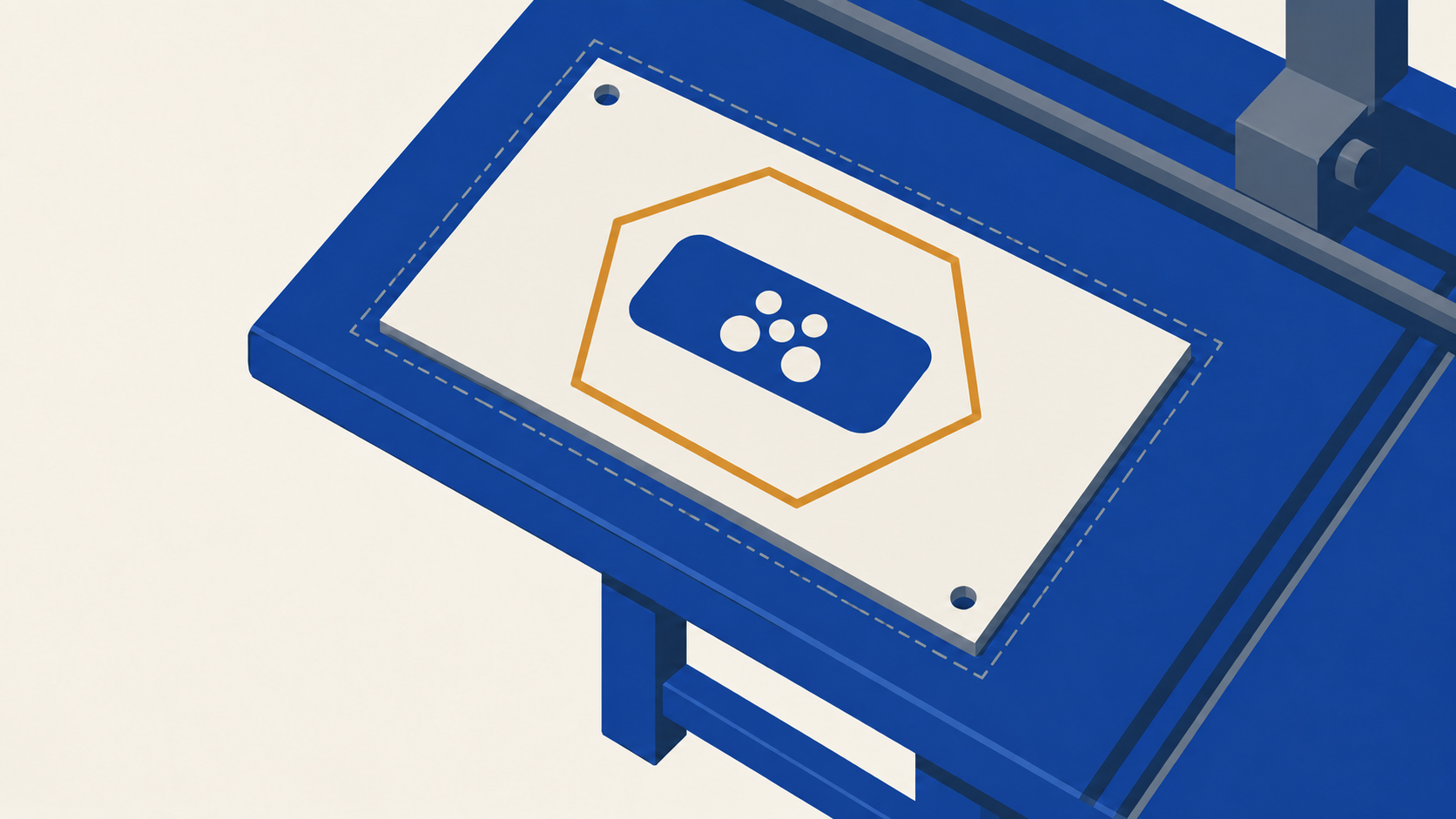
When we introduced laser-cut labels to the market, we quickly discovered a limitation shared by almost every existing print system: they weren’t designed for true variability.
There was no practical way to model custom shapes, nesting, finishing rules, and the production logic required for laser cutting. The quoting was clunky. The artwork process was manual. The back-and-forth was constant.
So we did something simple at first.
We built a small custom frontend, a minimum viable product just to sell laser-cut labels properly.
Customers loved it.
They loved the speed.
They loved the clarity.
They loved not having to email back and forth just to understand what they were buying.
Very quickly, we started hearing the same question over and over:
“When will all your products work like this?”
That was the moment we realised this wasn’t a one-off project. It was the start of something much bigger.
The Real Problem Wasn’t Printing
It Was Information
Like most large print businesses, we were running a complex mix of systems:
ERP software.
Quoting tools.
Spreadsheets.
Freight calculators.
Emails.
And people in the middle holding it all together.
Customers were constantly asking questions like:
- Why is shipping so expensive?
- What packaging will this come in?
- Can this ship in cartons instead of a pallet?
- Why was I quoted $50 when the freight ended up being $120?
Behind the scenes, we were absorbing those gaps. Sometimes we lost money. Sometimes we created friction. Always, the frontend experience failed to reflect what actually happened in production and dispatch.
Traditional print software works well when everything fits into neat rules: fixed sizes, fixed products, fixed packaging, fixed workflows.
That’s not how we operate.
We run everything from single-unit custom jobs to 100,000-unit production runs across labels, sheets, boards, banners, POS and more. Everything is variable. And packaging, finishing and freight fundamentally change the economics of every job.
At our scale, that mismatch became a growth ceiling.
The Decision We Didn’t Take Lightly
So we made a decision we didn’t rush.
We would build our own system.
From Print Business to Software-Driven Manufacturer
Over the past two years, we rebuilt Mediapoint’s operating system.
Not just a website, a platform.
A system that connects quoting, artwork, preflighting, packaging, freight, production and dispatch into a single automated flow.
The goal was simple: remove human touchpoints customers don’t want to pay for, and replace them with software that gets it right every time.
Today, customers can:
- Get instant, accurate pricing
- See all product and finishing options
- Understand packaging and freight before ordering
- Choose between pallets, cartons, pickup or delivery
- Upload artwork that is automatically checked, validated and fixed
- Approve a job only once everything is known
Nothing moves forward until it’s correct.
Once approved, a job enters what we call the Mediapoint Automation Production System.
Jobs are nested.
Jobs are grouped.
Packaging is generated.
Consignments are created.
Production files are prepared.
By the time a human touches the job, most of the decisions have already been made.
The print operator loads the media.
The dispatch team already knows how it will ship.
This is what true automation looks like in manufacturing.
Why Packaging Changed Everything
Packaging turned out to be one of the hardest problems to solve and one of the most important.
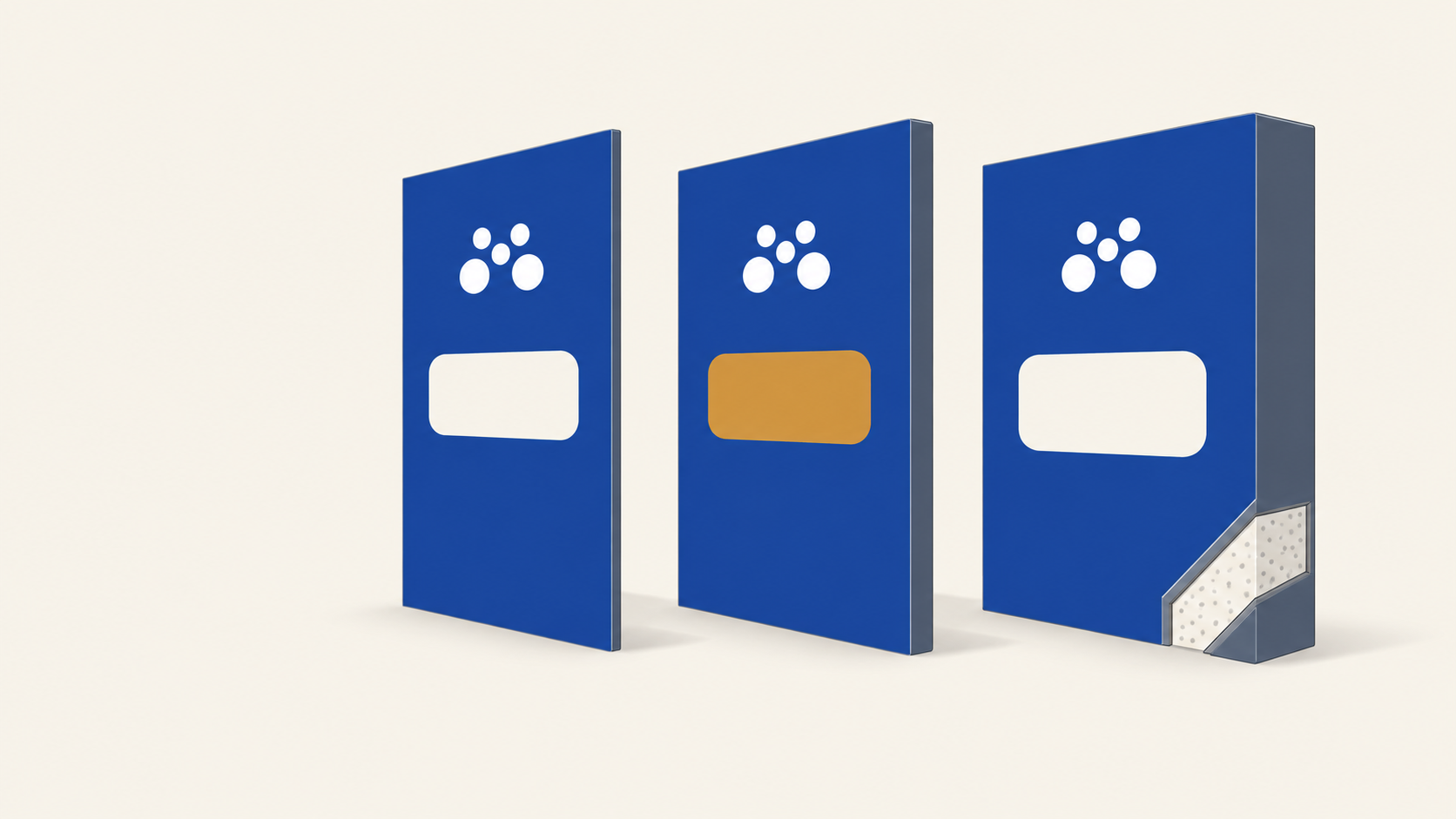
We don’t ship one type of product. We ship boards with eyelets that change thickness. Rolls that behave differently. Flat sheets that stack. Pallets, cartons, tubes, and mixed consignments.
Our system doesn’t rely on lookup tables. It calculates packaging in real time during pricing and passes that data through production and into dispatch.
Customers see the most economical option by default but they can override it.
If a job should ship on a pallet but the customer doesn’t have a forklift, they can choose cartons instead and pay the difference. The system adjusts everything downstream automatically.
That level of flexibility simply doesn’t exist in traditional print software.
Why We Didn’t Just “Customise” an ERP
This system took two years and a substantial investment to build — on top of the label platform we already had.
We threw away expensive work when it didn’t meet customer needs. We restarted major components three times to get the foundations right.
The hardest parts were:
- User experience
- Packaging logic
- Backend automation
We didn’t bolt this onto someone else’s platform because we wanted to own the IP. We wanted a system that adapts to our business, not one that forces our business to adapt to it.
You could spend hundreds of thousands trying to replicate this. But you wouldn’t replicate the thousands of production and logistics decisions embedded in the system unless you’d lived through building it.
It’s designed to feel simple.
Under the hood, it’s anything but.
What This Unlocks
With this system going live, the biggest bottleneck in printing gets removed. The flow of information disappears.
Customers get better pricing and faster turnaround because software replaces manual work.
Our equipment runs longer.
Our teams focus on value-adding work.
Packaging and freight become predictable instead of reactive.
And because we control the platform, we can improve it at a pace that suits us.
Why This Matters
Most print companies stay where they are because building software is hard.
We didn’t take this lightly but our founders come from computing, business and entrepreneurship backgrounds. This was always part of our DNA.
We’ve seen this movie before.
When we introduced 24-hour turnaround more than 15 years ago, customers started demanding it everywhere. We believe the same thing will happen with intelligent print platforms.
Once customers experience clarity, speed and certainty, they won’t go back.
Mediapoint is becoming a technology company that prints, not just a printer that uses software.
And that’s the future of manufacturing.