Most beginner graphic design advice stops at the screen. It talks about ideas, inspiration, and creative confidence, but not what happens when the file leaves your desk and lands on a press. That is a gap worth closing early, because the designers who build sustainable careers are the ones who understand both sides: the creative process and the production reality.
Here is a set of principles worth internalising early, and how each one shifts once you are designing for print output rather than just portfolio shots.
Clients hire your problem-solving, not just your skills
Beginners often think graphic design is an artist's profession. It is not. Poster design and typographic work lean creative, but most commercial design, including logos, brand identities, packaging and signage, is problem-solving in visual form.
Clients love that you can drive Illustrator. Plenty of people can. What they pay for is your ability to solve a real business problem: how do we look modern without looking generic? How do we look approachable but still credible? How do we stand out on a shelf full of competitors?
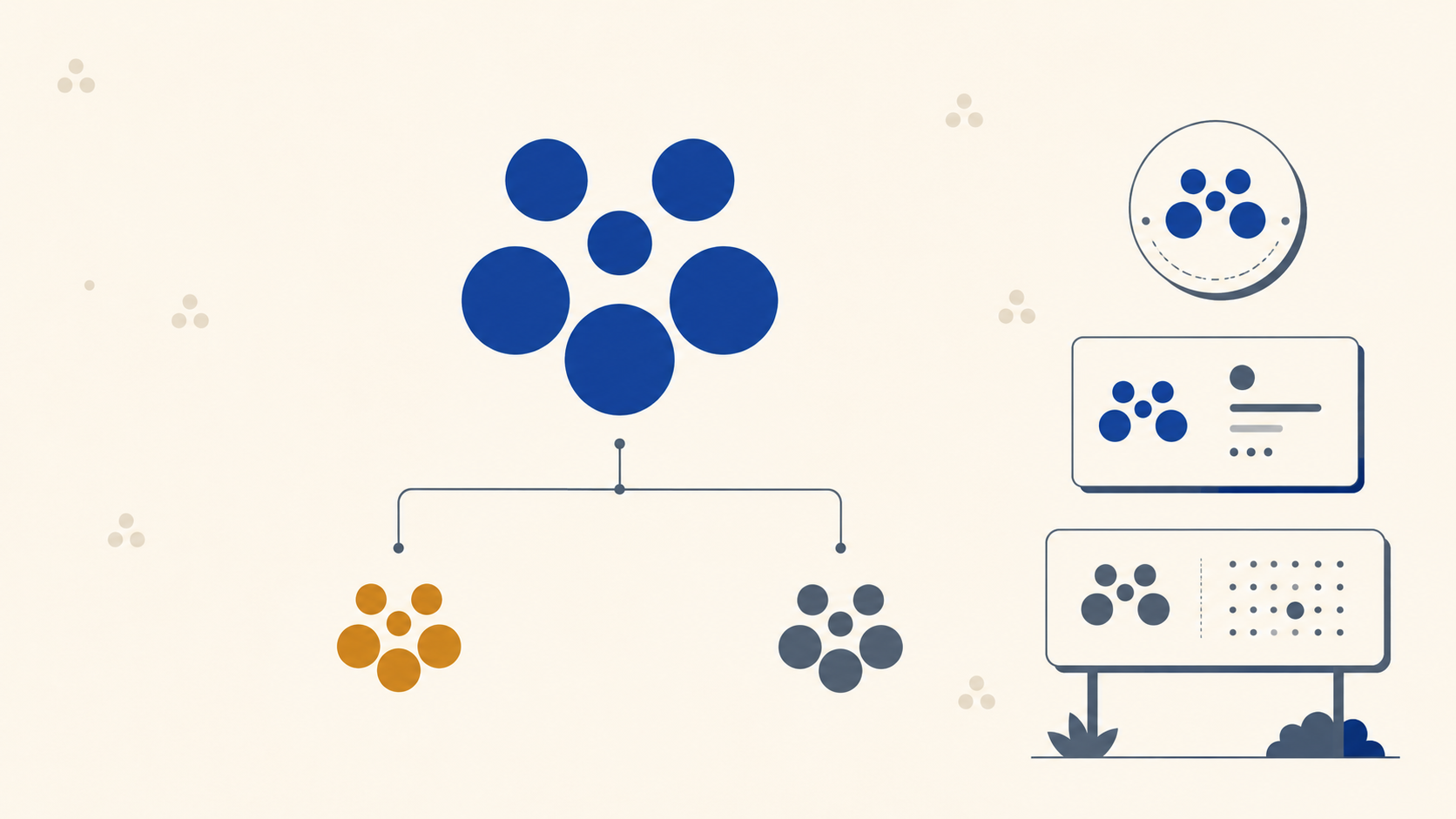
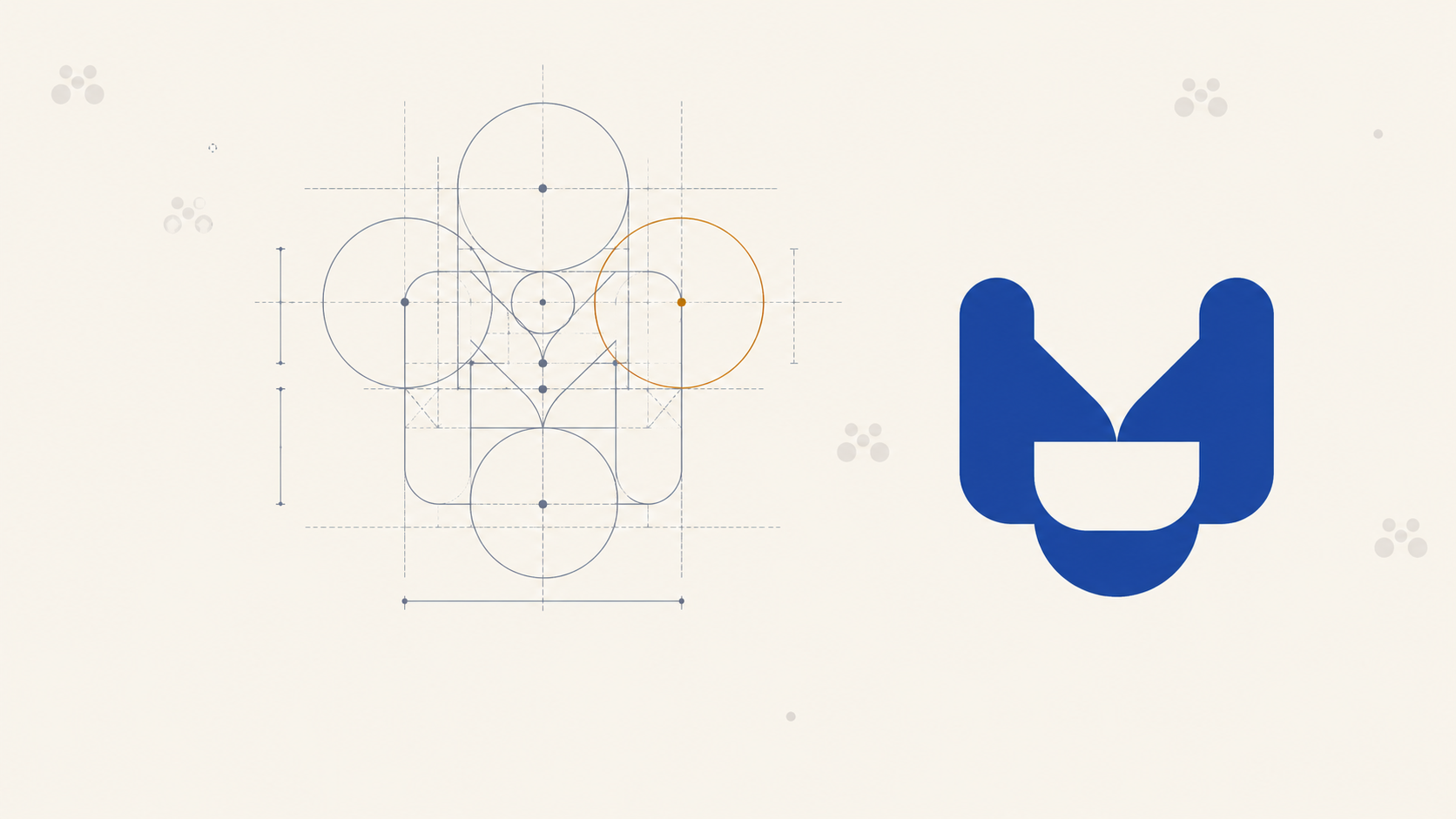
How this affects print production: problem-solving extends past the concept. A logo that solves the brand problem beautifully but ignores print reality creates a second problem for the client. If it cannot reproduce at small size on a business card, or holds up on-screen but muddies on uncoated stock, you have not finished the job. The best designers think about final output, including CMYK conversion, minimum stroke weights, and single-colour versions for embroidery or vinyl, from the first sketch.
It's okay to be terrible at some things
Nobody is good at everything. You might be strong at logotype but weak at layout. Strong at illustration but shaky on typography. That is normal, and identifying your weaknesses early is more useful than pretending you do not have any.
The faster you know where you are weak, the faster you can either strengthen it deliberately or partner with someone who covers it. Trying to be all things to all clients dilutes your positioning and your work.
How this affects print production: one of the most useful weaknesses to acknowledge is prepress. If you are a brand identity designer, you do not need to be an expert on paper weights, laminate types, or ICC profiles. You need to know enough to design responsibly, then work with a trade printer who handles the production side. That is a healthy division of labour, not a gap in your skillset.
Take inspiration from outside design
If the only thing you consume is other designers' work, your output starts to look like everyone else's. The distinctive voices in the industry pull inspiration from music, architecture, film, literature and sport, anything that is not the thing they are paid for.
Rhythm from music can inform pacing in a layout. Contrast in a piece of music can inform contrast in a mark. This is not mystical, it is just cross-pollination. If you feed yourself the same input as everyone else, do not be surprised when your output looks the same.
Always carry a sketchbook
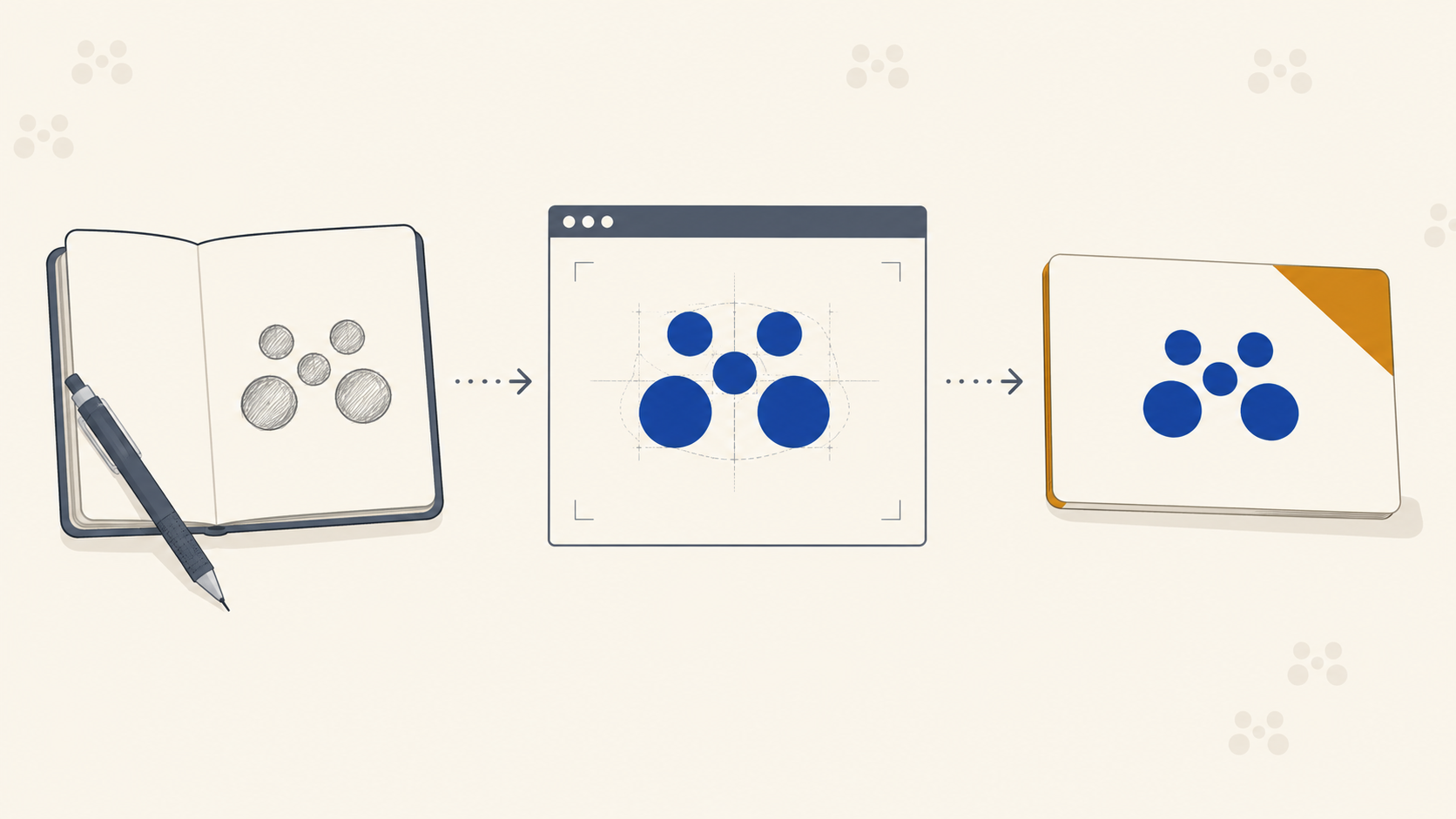
A small dot-grid notebook and a decent mechanical pencil is all it takes. When an idea strikes, get it out of your head and onto paper before it evaporates. Sketching also lets you pressure-test an idea quickly, because a lot of concepts look great in your head and fall apart the moment you draw them at actual size.
How this affects print production: sketching at rough scale is a useful habit for print work specifically. Draw the mark at the size it will actually appear on a business card or a pull-up banner. Details that look elegant at A4 disappear at 20mm and turn into visual noise at two metres. If your sketch survives both extremes, the vector version probably will too. Our guide to good logo design attributes covers that small-size test in more detail.
Find a thing that isn't your thing
Hyper-fixating on one discipline is a fast route to burnout and creatively stagnant work. Whatever you are known for, whether logos, lettering or packaging, build a second interest that has nothing to do with it. Guitar, climbing, writing, cooking. Something that switches the other engine off.
This is not just about sanity. Cross-disciplinary interests are where distinctive design points of view come from. Designers with only design in their lives tend to produce work that looks like design about design.
You're not as good as you think
Every beginner overestimates their work. Then they get better, and they start underestimating it. The strange truth is that self-doubt does not disappear as you improve, it just changes shape. Designers ten years in still look at other designers' work and feel behind.
The healthiest response is to stop comparing yourself to other designers and start comparing yourself to your own work from a year ago. That is the only comparison that actually measures progress.
Failing is part of the process
You will draw dozens of bad logo concepts to find one good one. You will pitch clients who go with someone else. You will finish a project you are proud of and hear it did not perform. This is not a sign you have chosen the wrong profession. It is the profession.
How this affects print production: print teaches this lesson faster than screen work. A colour looks perfect on your monitor and prints muddy. A gradient bands on a large-format run. A thin outline vanishes at small scale. Every one of those is a learning moment that only exists because you pushed the file to production. The designers who improve fastest are the ones who watch their work come off the press, note what did not translate, and adjust next time. If you are not sure how your file will behave across substrates, order proofs. A short run of corflute signage or a test batch of labels will teach you more than another hour tweaking on-screen.
Love the process as much as the goal
Goals are direction. Systems are what get you there. If your goal is a career designing brand identities for clients you respect, the system is the work you do every day: the sketching, the rejections, the revisions, the client emails, the file prep. If you only enjoy the goal and resent the system, you will not last.
The same applies to print-ready workflow. Setting up files correctly the first time, with proper bleed, outlined fonts, embedded images, CMYK conversion and sensible naming, feels tedious. It is also the system that makes you the designer print partners actually enjoy working with, which turns into repeat referrals.
Tying it back to production
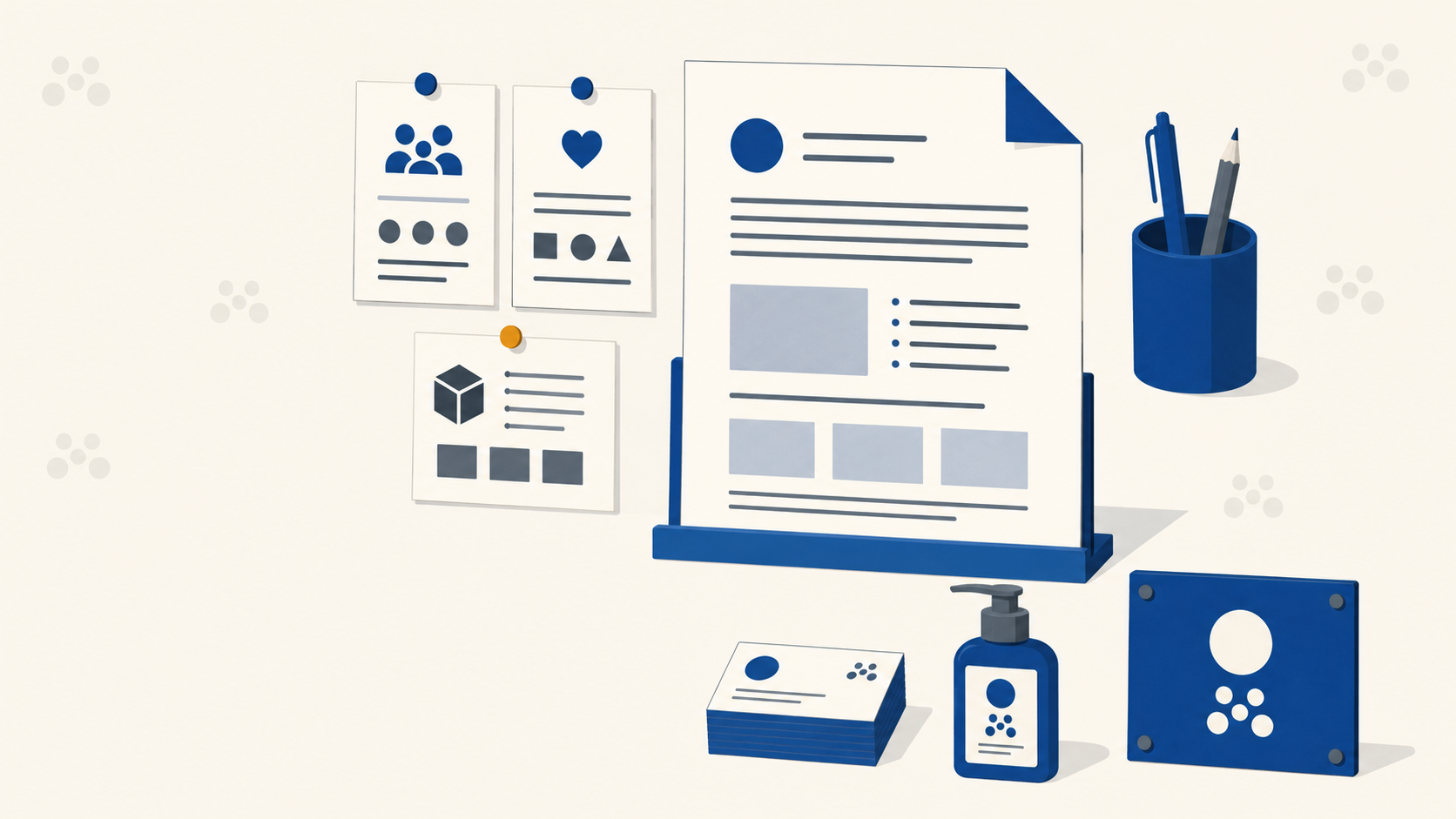
The through-line across all of this is that a designer's career is built on getting the creative work right and getting it to reproduce faithfully across every surface the brand needs to live on. Business cards, banners, vehicle graphics, packaging, signage, each one has its own quirks, and each one is where a great identity either holds together or falls apart.
You do not need to become a prepress technician. You need to design with production in mind and partner with a trade printer who catches the things you do not.
Frequently Asked Questions
What skills matter most for a beginner graphic designer? Problem-solving, more than software fluency. Plenty of people can operate Illustrator. What clients actually pay for is the ability to understand a business problem and solve it visually. Technical craft matters, but it is the means rather than the offer.
Do I need to understand print production as a designer? You need to design responsibly for it, not master it. Knowing that colours shift in CMYK, that fine strokes vanish at small sizes, and that marks need single-colour versions is enough to avoid the common failures. The deeper prepress knowledge can sit with your trade printer.
How do I develop a design style that does not look like everyone else's? Change your inputs. If the only work you consume is other designers' portfolios, your output will converge on theirs. Pulling from music, architecture, film or anything outside design is where genuinely distinctive points of view tend to come from.
Is it normal to feel like my work is not good enough? Yes, and it does not go away with experience, it just changes shape. Designers well into their careers still look at peers and feel behind. The useful comparison is against your own work from a year ago, because that is the only one that actually measures progress.
How do I learn what works in print? Push work to production and look at the results. Order proofs and short runs, then note what did not translate: the colour that muddied, the gradient that banded, the outline that disappeared. That feedback loop teaches faster than any amount of on-screen tweaking.
Key Takeaways
- Clients hire problem-solving, not just software skills. Extend that thinking to print output.
- Identify your weaknesses early. Prepress and production are fine areas to lean on a trade printer for.
- Take inspiration from outside design. Cross-disciplinary interests produce more distinctive work.
- Sketch at rough final scale. A mark that survives 20mm and two metres will survive most print applications.
- Compare yourself to your own work a year ago, not to other designers.
- Failure, including print failures, is the fastest teacher. Order proofs and short runs.
- Build systems for print-ready file prep. They compound over your career.
Focus on the design. We'll handle the press.
Beginner or ten years in, the goal is the same: work you are proud of, reproduced faithfully across every product the brand needs. Mediapoint is a trade-only printer supporting designers, resellers, and sign shops across Australia, so you can focus on the creative and client work while we handle production. Browse the full product catalogue or send us a file for a quote when your next job is ready to go to press.