Trusted by 1,000+ Australian Print Resellers

Reliable Lead Times & Delivery Dates

Blind Shipped or White-Labelled

envelopeenvelope-active
notificationnotifications
cartcart
useruser

How Designers Charge More: Pricing Brand Identity Work

How Designers Charge More: Pricing Brand Identity Work

The gap between a designer charging a few hundred dollars for a logo and one charging five figures for a full brand identity is not usually talent. It is positioning, skill stacking, and how the work is packaged and delivered, including what happens once the identity leaves the studio and hits print.

If you run a design practice inside a sign shop or reseller business, or you are a freelance identity designer feeding files to trade printers like us, the same principles apply. Here is how higher-paying design work gets won, and where the production side of the equation quietly makes or breaks your reputation.

Position yourself where the work is

You cannot drink from a well you are not standing next to. If corporate clients and serious brands do not see you as an expert, they will never send the enquiry in the first place.

Positioning is the sum of everything a prospect sees before they email you:

  • A portfolio that shows finished identity systems, not just Dribbble shots
  • Case studies with process, rationale, and outcome
  • A social presence that reads as professional rather than hobbyist
  • Consistent visual language across your own brand

If your inbox is full of cheap logo requests, that is a positioning problem, not a market problem. The clients paying serious money for a brand identity are looking at completely different signals.

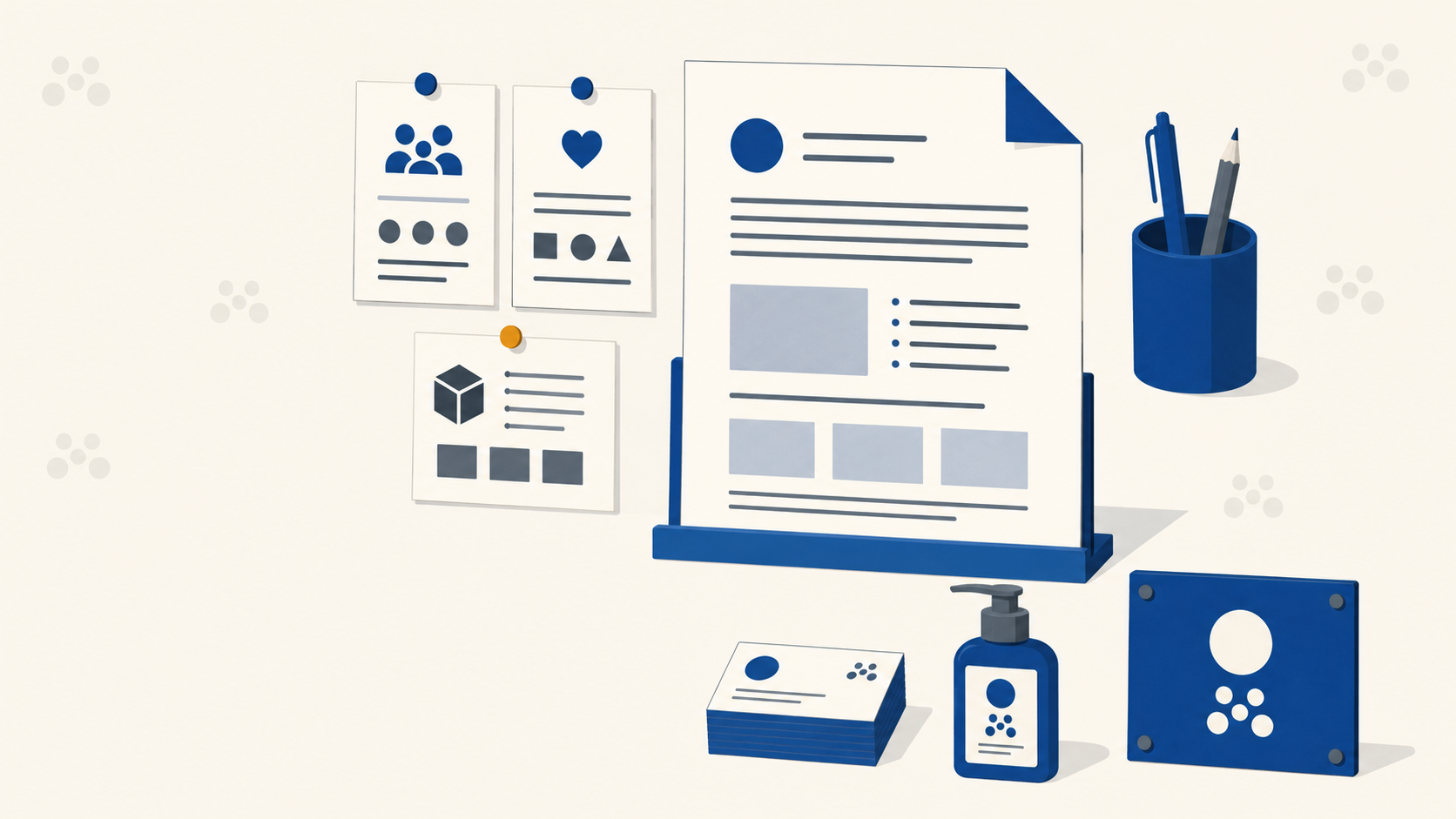
One signal that gets underrated: showing your work in situ. A logo mocked up on a business card, a corflute site sign, a vehicle wrap, or a product label tells a prospect you think past the artboard. It says you understand the identity has to live in the real world, printed, cut, applied, and weathered.

Stack skills that widen the brief

Designers often argue they should be paid the same as peers doing similar work. Sometimes that is fair. Often it ignores that the higher-paid designer is doing more.

Skill stacking is the honest answer. If you can offer:

  • Logo and wordmark design
  • Custom lettering or type design
  • Brand strategy and naming
  • Packaging and label systems
  • Print-ready artwork across every touchpoint

Then you are not competing with the cheap-logo crowd. You are a one-stop identity partner, and the fee scales accordingly.

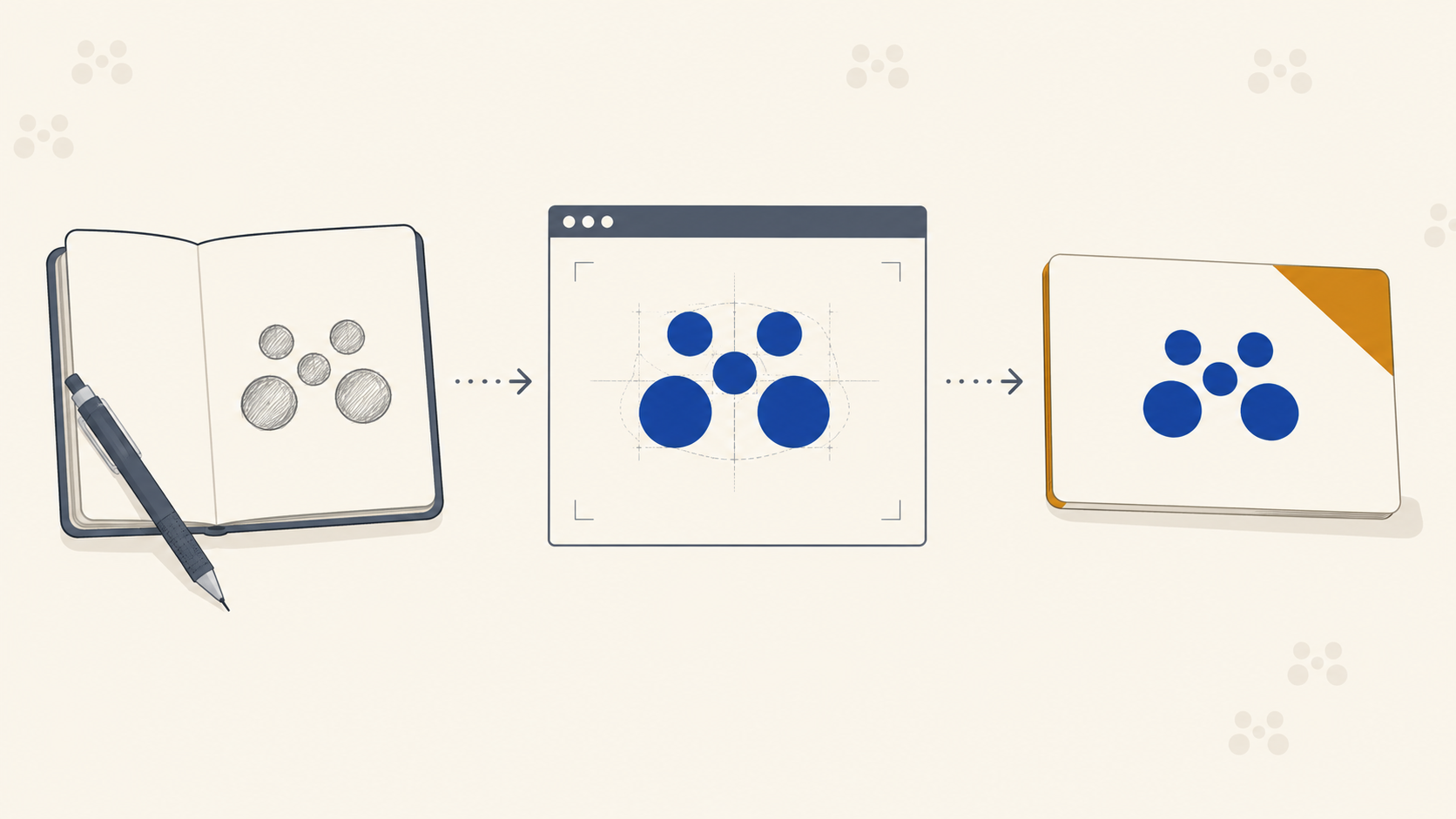
A hand-lettered wordmark that has been properly vectorised, kerned, and prepared as CMYK-safe artwork is worth several times what a template job is worth. Not because it looks nicer on Instagram, but because it will hold up when it is printed at thumbnail scale on a business card and at three metres on a pull-up banner.

Build trust before the invoice

Corporate clients do not hand five-figure budgets to strangers. They pay agencies partly for the confidence that the work will land.

You can build that trust as a solo designer or small studio:

  • Show your process publicly: case studies, breakdowns, before and after
  • Take discovery calls on video, not just email
  • Be transparent about timelines, deliverables, and what is not included
  • Reference past clients and outcomes, not just visuals

A 30-minute video call before the deposit closes far more high-value work than a slick PDF ever will. The client is buying you as much as the design.

Rehearse the money conversation

Most designers lose money at the negotiation stage, not the design stage. They quote low because the conversation feels awkward, or they cave the moment a client pushes back.

Negotiation is a learned skill. A few practical moves:

  • Have your rate written down before the call. Say it without flinching.
  • Prepare responses to the common objections: "I can get this cheaper online," "the budget is tight," "can you do it for less if we sign now?"
  • Anchor high. It is easier to come down than climb up.
  • Separate scope from price. If the budget will not move, the scope has to.

If negotiation is not your strength, get a partner or business manager who handles it. Many of the best-run small studios split the roles this way: one person designs, one person sells. The same discipline applies to taking a deposit and protecting your terms, which is where a surprising amount of design income quietly disappears.

Add real value, not just deliverables

"Add value" gets thrown around until it means nothing. In practice, value in identity work looks like:

  • Strategy before design. You understand the client's market before opening Illustrator.
  • Niche expertise. You know the sector (hospitality, tech, trades) better than a generalist would.
  • Diagnosis, not order-taking. You tell the client what they actually need, not just what they asked for.
  • Production-ready output. Artwork that prints correctly the first time, on every substrate.

That last point is where a lot of otherwise excellent designers lose value. A brand identity that looks perfect in RGB but shifts unpredictably on press, or a logo with hairlines that vanish when printed at business card scale, creates friction for the client every time they order print. That friction reflects on you.

Design decisions that affect print production

The higher the fee, the higher the expectation that the identity will work everywhere. A few things to build into your process:

Colour. Screen colours can shift dramatically in CMYK. Vibrant blues turn purple, bright greens dull, oranges lose punch. Specify Pantone equivalents alongside your CMYK build and test print critical assets before final sign-off. Corporate clients notice when their brand red looks different on a business card, a corflute sign, and a label.

Line weights. A 0.25pt line looks crisp on screen. On a business card, it can disappear or break up. On a corflute site sign viewed from 10 metres away, the same proportional line reads as chunky. Design the mark to hold at its smallest print application, then scale up.

Typography. A wordmark set in a delicate serif might sing on a website and fall apart when printed white-on-dark at 8pt on a label. Test type at real sizes on real substrates.

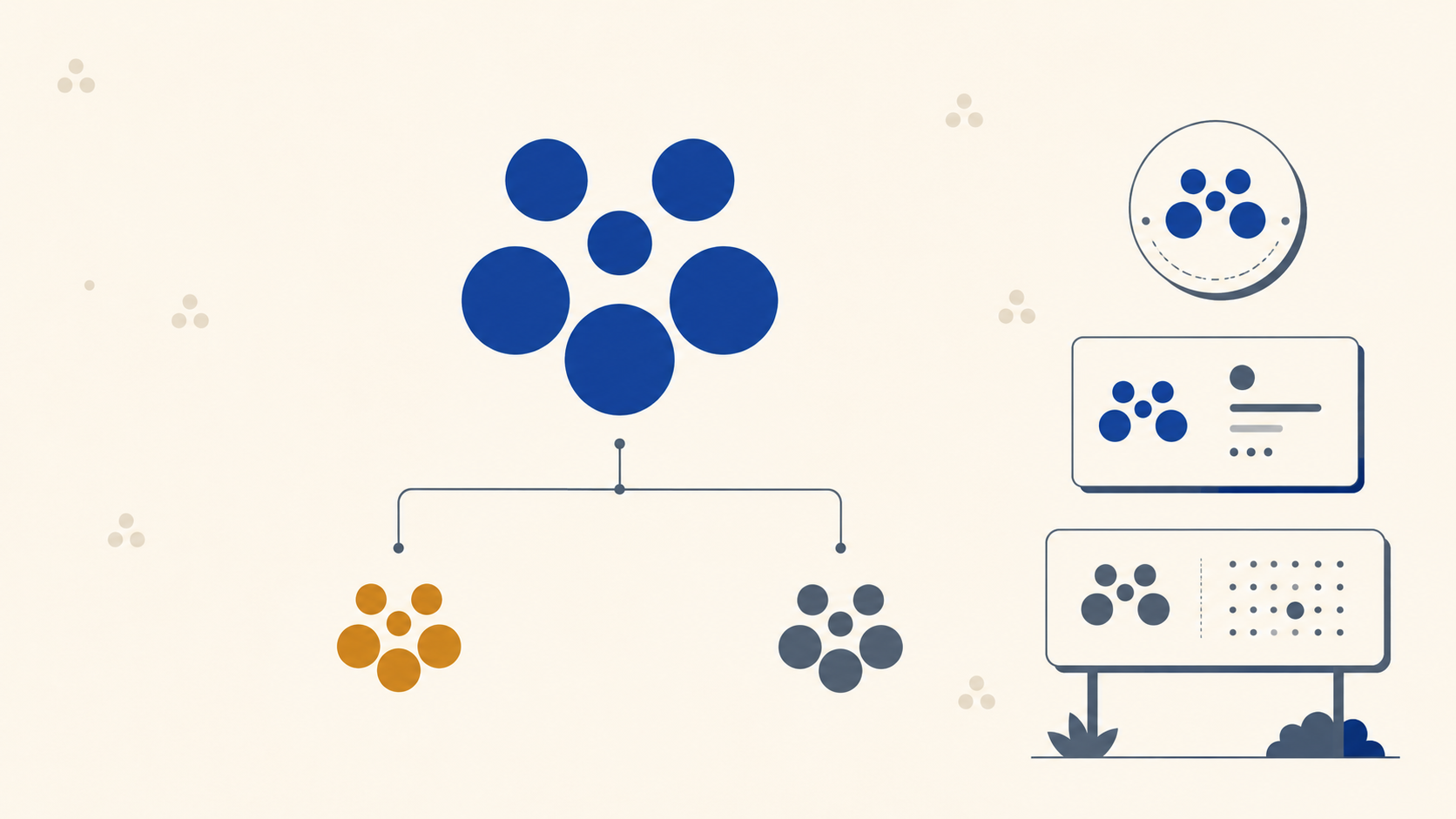
File preparation. Vector everything. Outline your fonts. Supply CMYK and Pantone versions. Include a one-page brand asset sheet with clear-space rules, minimum sizes, and colour specs. This is the difference between a client happily ordering print for years and a client who blames you when the reprint does not match the last batch.

Substrate awareness. A logo destined for gloss labels, matte packaging, and outdoor vinyl needs to hold across all three. Australian sun is brutal, and colours fade faster on outdoor signage here than in cooler climates. Build that reality into your colour specs.

Say no to low-paying work

The controversial one. If you take every job that comes in, you stay busy at low rates and never free up time for the higher-value work you actually want.

Turning down work feels reckless when cash is tight. Keeping a stable income source while you build the pipeline at higher rates is the honest way to make the transition without going broke.

The other move is the simplest one, and the one most designers will not do: raise your prices today. Not next quarter. Today. Higher prices signal higher value. They filter out tyre-kickers. They give you room to spend more time on each project, which improves the work, which brings more of the right clients.

If most enquiries walk away when you quote, that is not a disaster. That is the filter working.

Frequently Asked Questions

Why do some designers charge so much more for the same logo? Rarely because they are more talented. They are usually positioned where higher-paying clients are already looking, they offer a wider set of skills (strategy, lettering, packaging, print-ready production) so the brief is bigger, and they handle the money conversation without flinching. The fee reflects the whole package, not the artboard.

How do I attract better-paying design clients? Fix the signals a prospect sees before they contact you: a portfolio of finished identity systems rather than one-off shots, case studies that show process and outcome, and a professional presence across your own brand. Showing work in situ, printed on real products, tells a prospect you understand the identity has to survive outside the screen.

Should I raise my prices even if I am worried about losing work? Higher prices filter out clients who were never going to value the work, and they buy you the time to do a better job for the ones who do. If you need a safety net, build the higher-rate pipeline while a stable income source is still in place rather than going cold turkey. A high walk-away rate on quotes is the filter working, not a failure.

What print-ready deliverables should a brand identity include? Vector master files with fonts outlined, CMYK and Pantone colour versions, single-colour and reversed variants, and a one-page asset sheet covering clear space, minimum sizes and colour specs. That package is what stops a client's reprints drifting out of match, and it is a large part of what justifies a higher fee.

How does print production affect what I can charge? It affects whether the client keeps trusting the work. An identity that shifts unpredictably on press, or has hairlines that vanish at business card scale, creates friction every single time the client orders print, and that friction reflects on you. Artwork that reproduces correctly the first time, on every substrate, is a real part of the value you are selling.

Key Takeaways

  • Position yourself where high-paying clients are looking. Portfolio, case studies, and social presence all need to read as professional.
  • Stack skills (lettering, type, strategy, print-ready production) so you are not competing on price with generalists.
  • Build trust with video calls, transparent process, and visible past work before asking for a deposit.
  • Rehearse negotiation. Know your rate, anchor high, and separate scope from price.
  • Design with print production in mind: CMYK behaviour, line weights, minimum sizes, and substrate realities.
  • Supply proper brand asset files (vector, outlined, CMYK plus Pantone, with usage rules).
  • Say no to underpaying work. Raise prices now, not later.

Let us handle the press while you handle the brand

Charging more for identity work means delivering more, and part of that is making sure the printed side of a client's brand looks as good as the pitch deck. Mediapoint is the trade printing partner behind a lot of Australian design studios and sign shops, producing business cards, labels, banners, corflute, and vehicle graphics to the spec you supply. Browse the full product range or send us artwork for a quote, and we will handle the production so you can focus on the client relationship.