


Blog
Most print software assumes fixed products and simple workflows. Our business doesn’t work that way. Here’s why we built our own print platform and what it unlocks for customers.
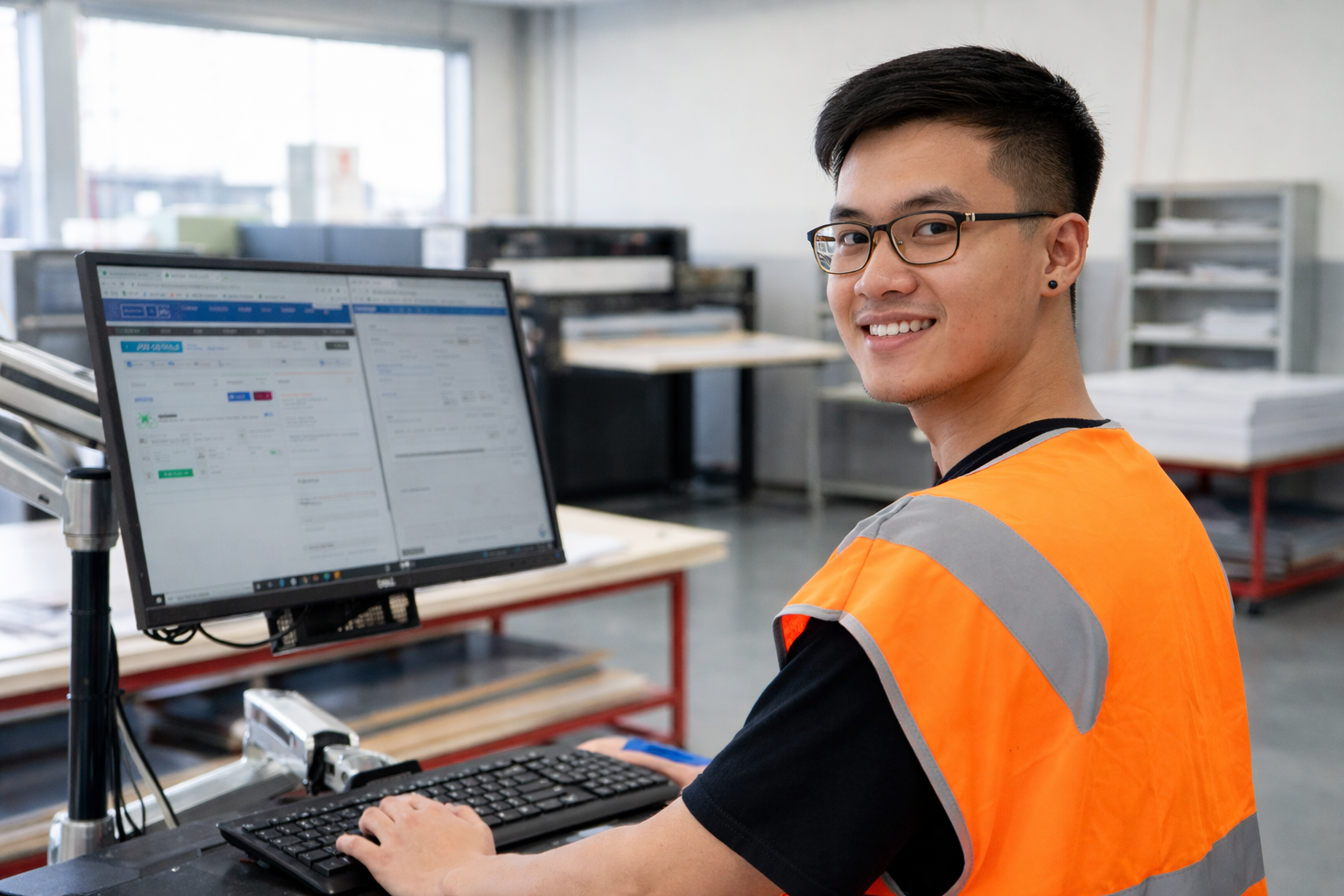
Today we’re delving into what our automated trade printing quotes mean for customers and why we’ve invested in such a system. Automation underpins the effectiveness (and efficiency) of our printing processes. It enables Mediapoint to deliver on turnaround guarantees for over 150 orders a day. This ability for a trade printer to deliver is critical. Without a slick process in place it would be very hard for teams to achieve targets. That’s not to mention that some trade printing businesses use a manual quoting process as throttle / delay.
The Mediapoint trade printing story is one of ambition, learning, and dedication. Read on to learn where we’ve come from and where we’re going. Mediapoint has been servicing trade printing for almost two decades. Throughout that time we’ve consistently developed our capabilities and focused on providing value wherever possible. Our wealth of experience, lean processes and wide range of equipment make us the perfect partner for enterprise resellers. The Mediapoint Trade Printing Story Starts In A Lounge Room. Our first print run was in the family lounge room in 2006. We started with just $1000 and one offering – signage. Through contacts of the family business (a commercial cleaning company) we identified that local businesses needed quality signage. It was a truly bootstrap operation that took over the household. We learned a lot about printing very quickly – particularly that having the right equipment was key.
We discuss why evaluating a trade printer, whether you’ve already got one or if you’re just starting to explore the trade printing option, can save you administrative headaches and money. Here we discuss the key ways resellers can evaluate their trade printer to make sure they are getting the best deal.
As a company offering your customers large format printing products, it can often be a challenge to grow your print revenue. You might have issues with staff, space, equipment and time. But what is your biggest asset? Why Leveraging Your Customer Base Is So Important. Here are some hard-hitting facts about your biggest asset which is your existing customer base: An existing customer costs 5 times less than it does than to acquire a new customer. The easiest way to increase your profit by 25% – 95% is to increase customer retention by just 5%. You only have a 5-20% chance of selling a product to a new customer as compared to 60-70% with an existing customer.

We often get asked by our customers, how they can convert more quotes on our products such as corflute and banners. Most people initially go down to price. But based on the data and trends we have seen; this is not necessarily the case. What the Data Tells Us. From our top 20 customers, we have seen that they are all creating value in different ways. By doing this they are creating a more premium product they can charge more for. From the data it also tells us 2 clear things: That our customers are using our system to get pricing quickly. When their customer requests a quote, they are not waiting on us to get back to them. They are getting the quote accurately through our IQ system and getting back to their customer in minutes.

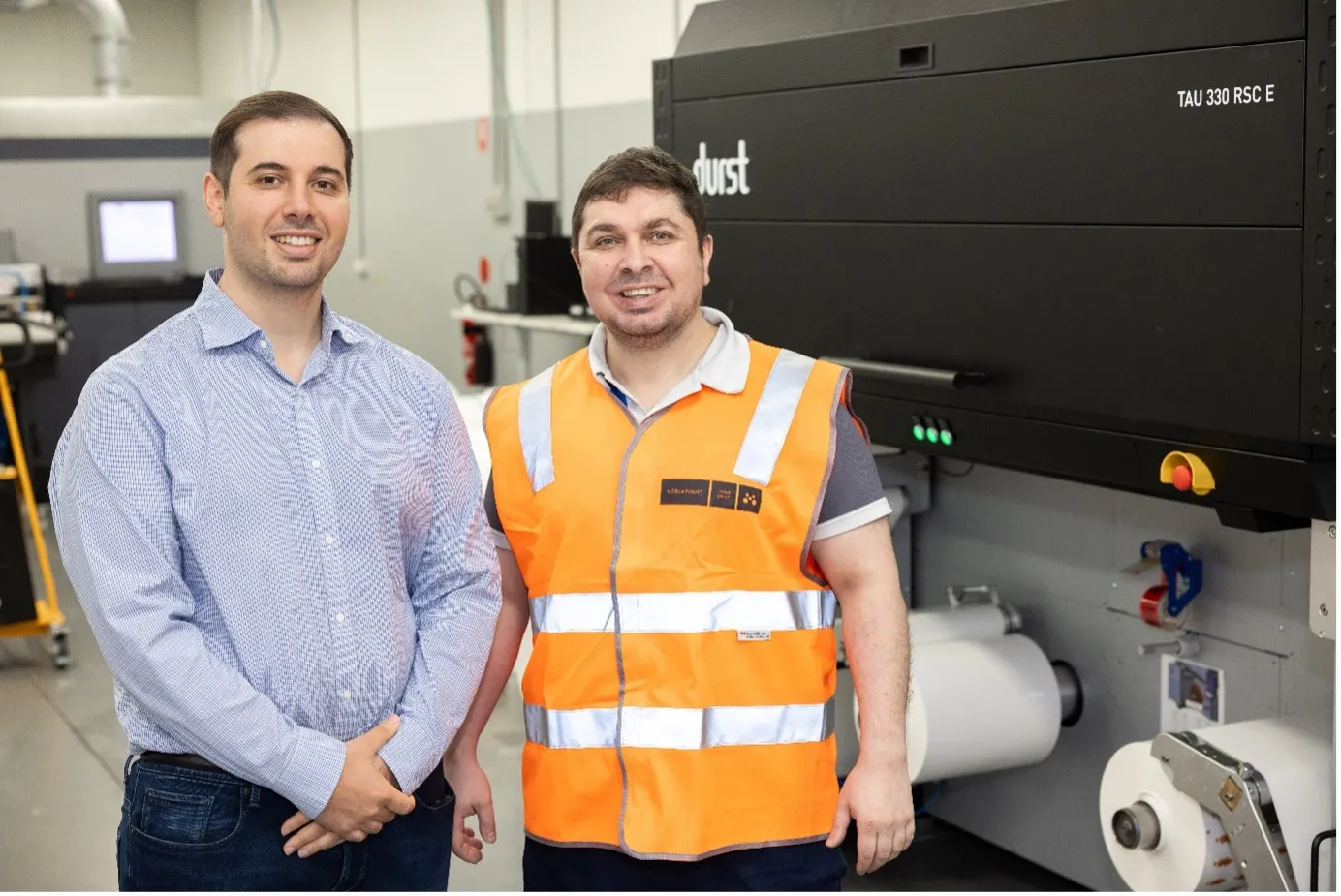
Jamie discusses the benefits gained from maintaining relationships with suppliers in the print industry. Read on to learn more. As a trade printer that specialises in working closely with print resellers and print brokers, we understand the importance a solid customer-supplier relationship. This is why we make it a priority to maintain strong partnerships with several leading equipment manufacturers. One of our longest, and most beneficial, relationships is with Durst. We recently visited their HQ in Europe to learn more about new equipment, print industry trends. It was also another opportunity to experience firsthand the benefits that a solid relationship provides ourselves and our customers alike.
We discuss the future of trade printing and how Australian print resellers can stay ahead of the curve. The world of trade printing is constantly evolving, and it is important for print resellers and brokers to stay informed about the latest trends and developments in the industry. So here’s what we’ve uncovered through our recent research trip to European hubs.

In this article, Jamie discusses his top tips for how to grow your print business. We are constantly getting feedback from our customers and even our suppliers to how much we are growing. In the current market climate, it is not easy to grow your print business. But our formula over the last 13 years is below. KNOW YOURSELF. The key thing we found which switched us from being just another print business to really surging, was knowing yourself. Several years ago, we realized our advantage was being a production house and most of our top customers were trade customers. So, we pivoted Mediapoint to be a trade-only printer.
From what we hear from our trade partners, it seems that hiring print staff is one of the trickiest parts of running a print business. We know this from experience as well. From over 13 years of experience and having plenty of time to learn from each hire, we have developed our own way of doing this. A bad hire will cost your business thousands of dollars. But a good hire will be worth a lot more to your business. WE GET OVER 1000 PRODUCTION APPLICANTS A MONTH. Yes, you read that right! You might think that getting 1000 applicants on Seek is a godsend. In reality it is like finding a needle in a haystack. We like using Seek as it has an in-built questionnaire feature which makes screening print staff more efficient.
In this article we discuss the various benefits of Trade Printing VS In-house Printing so you can decide which is right for your print business. What are the benefits of Printing In-House? When printing in-house, it is likely that jobs will be completed on entry-level equipment with a smaller footprint, and lower volume. You’re likely to achieve a decent quality from these machines – when running at their best these printers have a good output The caveat here is that these machines require longer time and minimal strain. In-house equipment also gives you the power to print on any stock ad-hoc. Due to the lower volume and accessibility, you can chop and change stocks after each sheet or load. This makes it easy to pump out small orders in a rush and even same day – from the same machine.
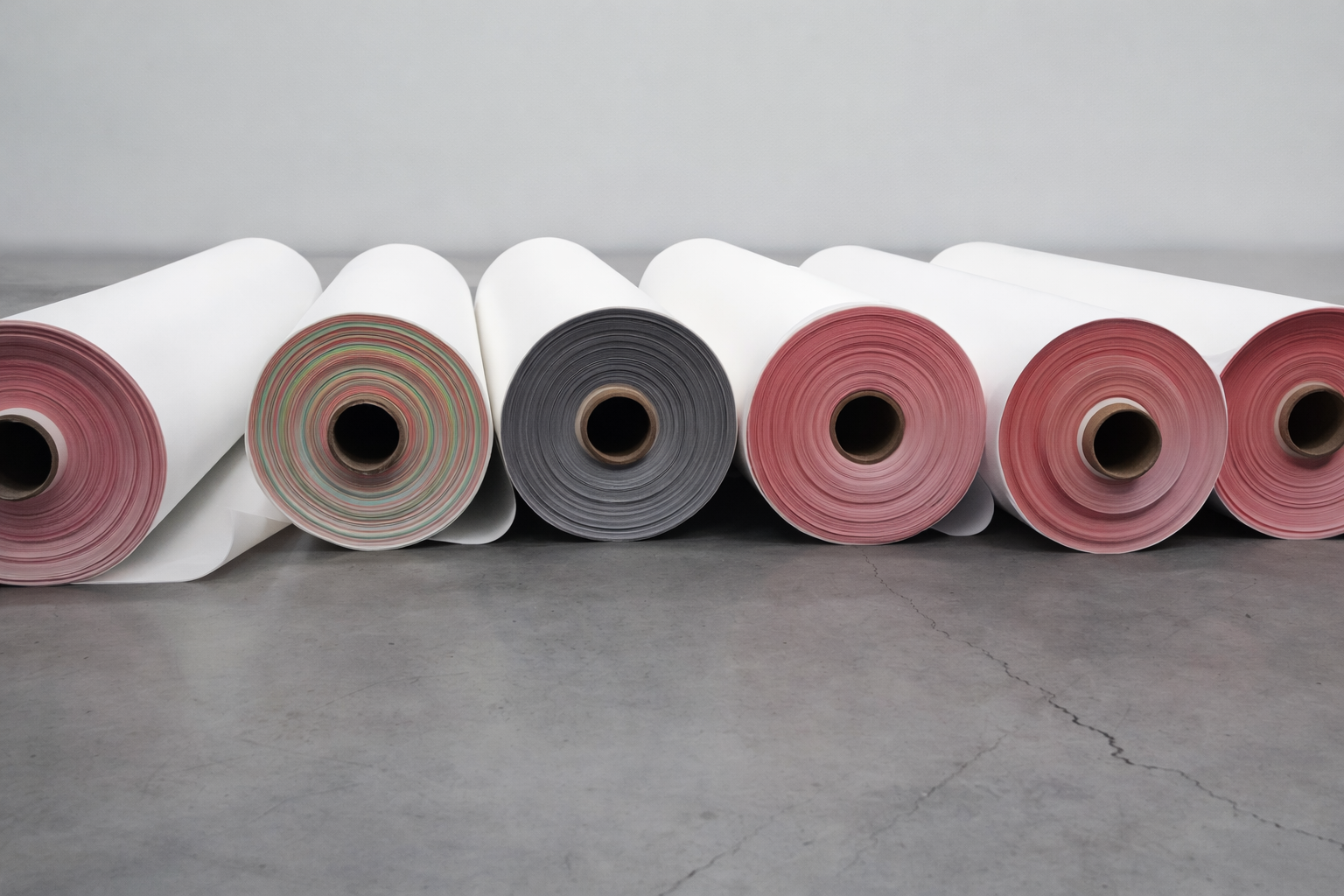
We are constantly asked what the best mesh banner stock is for mesh fence panels & fence mesh banners. Being a trade printer and having a lot of knowledge in this area we know that one size does not fit all when it comes to the best type of material for fence banners. We understand that being tied into one way or one stock is not suitable when it comes to all of the solutions you will need to provide for fence mesh banners. See below for the range of different fence banner materials used and in what scenario they are used in.
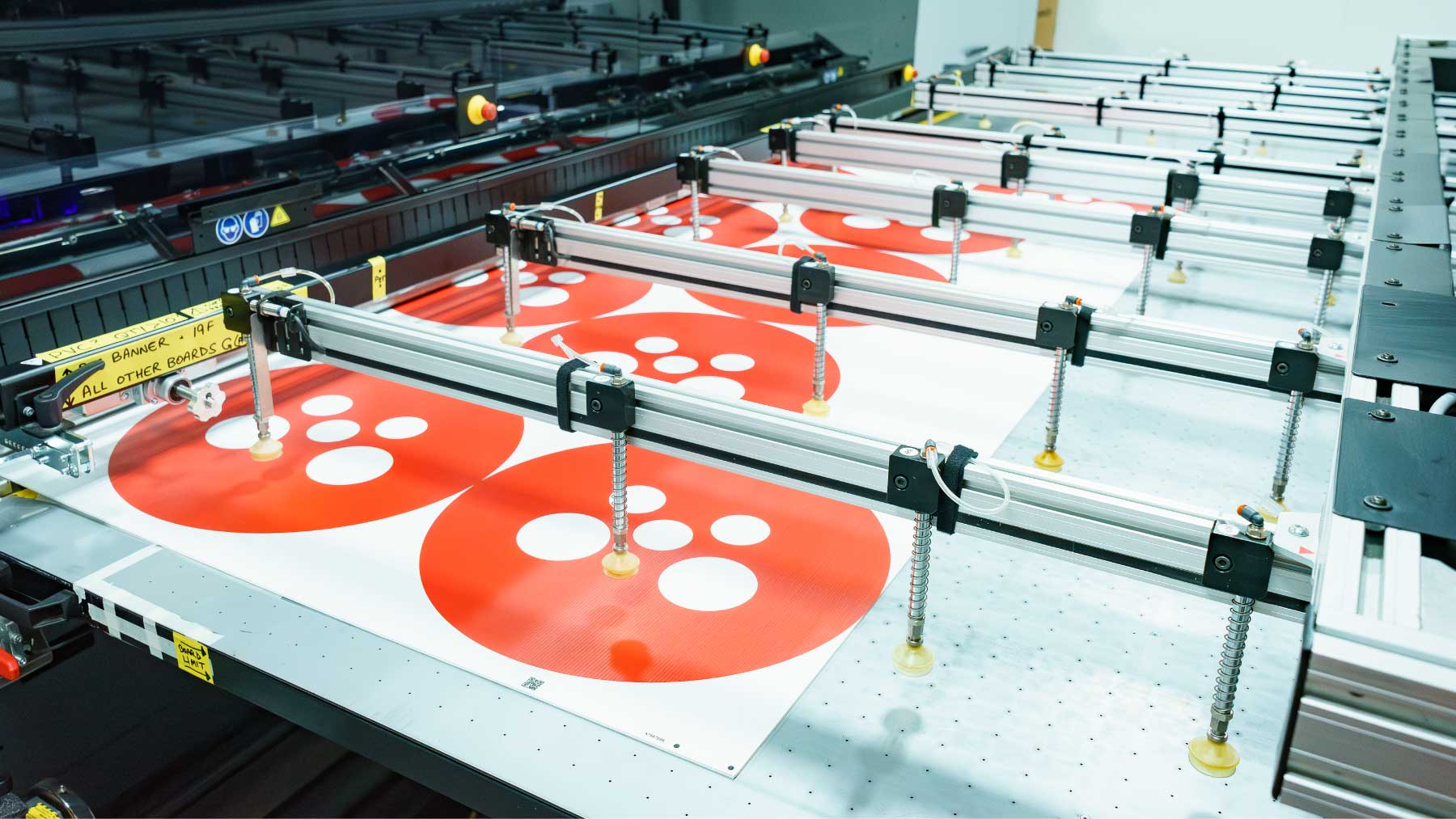
In this article we discuss the best practices for optimal large format printing in this video and accompanying article. Many of our customers have prior experience with differing forms of printing – offset, small format, merchandising, and screen printing. Large format printing, however, has its own nuances. So getting across these best practices can help you expedite printing, save headaches, and achieve better printing results. Convert Fonts In Your Large Format Printing Artwork to Outlines. Fonts, like colours, are a particularly tricky element of printing artwork. There are legal / technical limitations when it comes to fonts. You can never be sure the printer will have the font you require available. So to mitigate any issues you should always convert your text elements to outlines. Without conversion it’s likely to be automatically substituted by graphic design software. This is particularly true of custom fonts or those in languages that do not use the English alphabet.
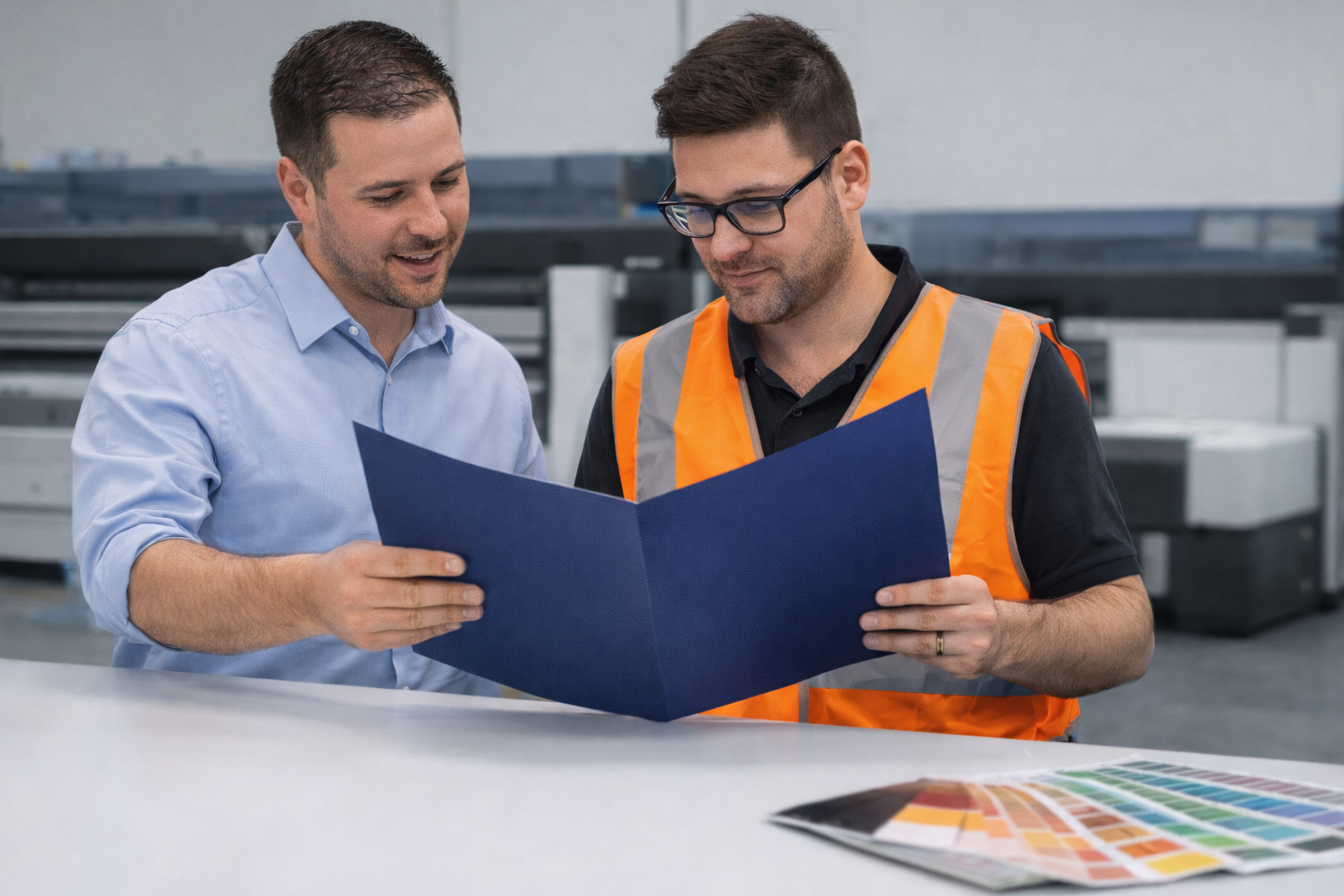
We delve into our definition of a trade print client and how it ensures a transparent relationship that benefits everyone. At Mediapoint we define a trade client as any entity reselling print; not the end consumer. So when we say, “we are a trade only printer” that means we don’t deal with retail customers. This has a few benefits for our customers but it’s important to know what such a trade printing relationship means.
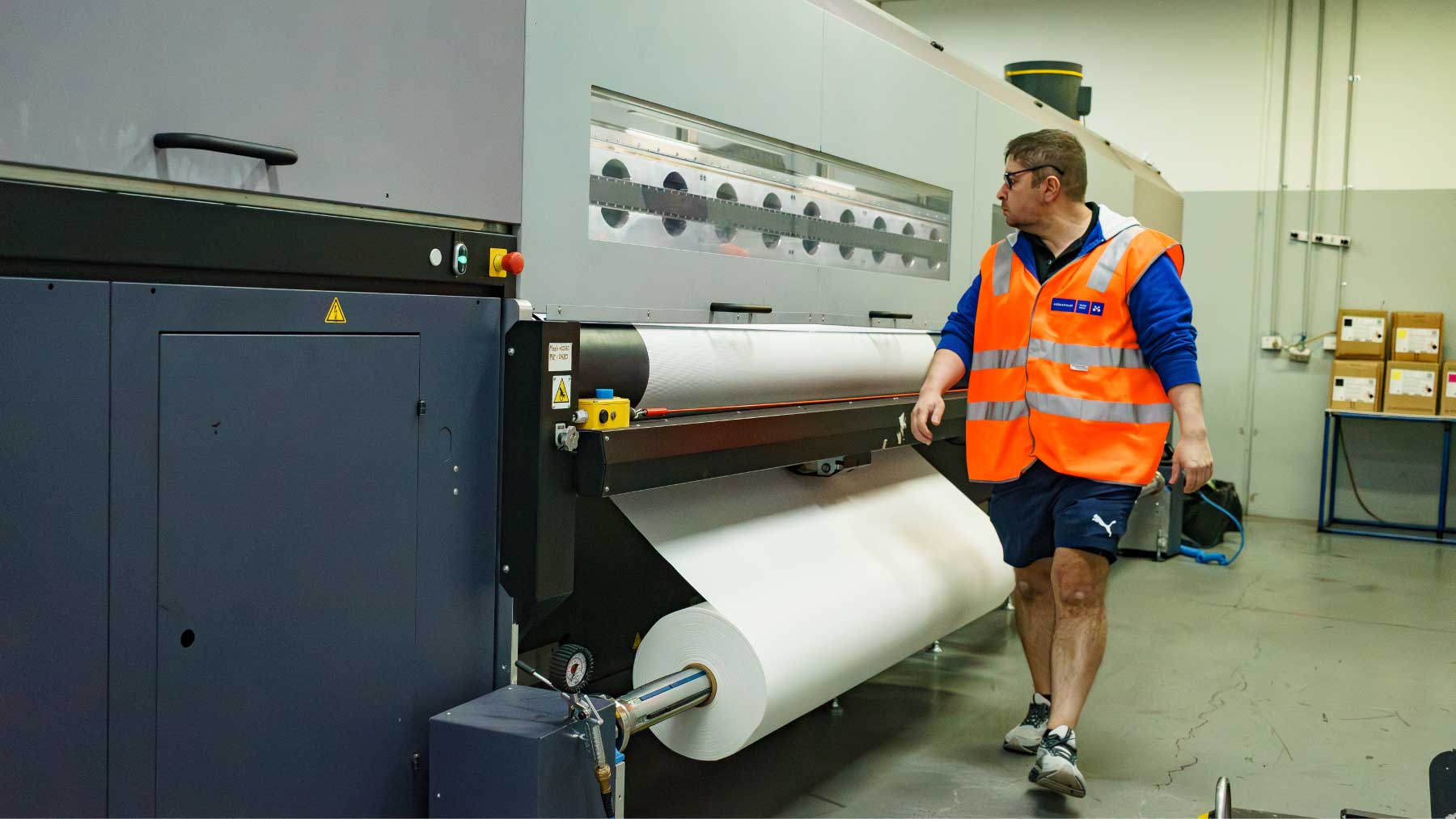
There are several factors that determine the true cost when you buy a large format printer. Jamie Xuereb discusses them in the video below and outlines the costs further in this article. Everyone Gets Distracted by Physical Equipment Cost. We often see people get sucked in by the cost of a large format printer itself. They only look at this number as a metric to determine quality of the asset, the capital required and expense to the business. But we believe that there are several important factors besides the cost of the printer. The main elements to consider are: Print Mode, Ink Costs, Service Fees, Floor Space.
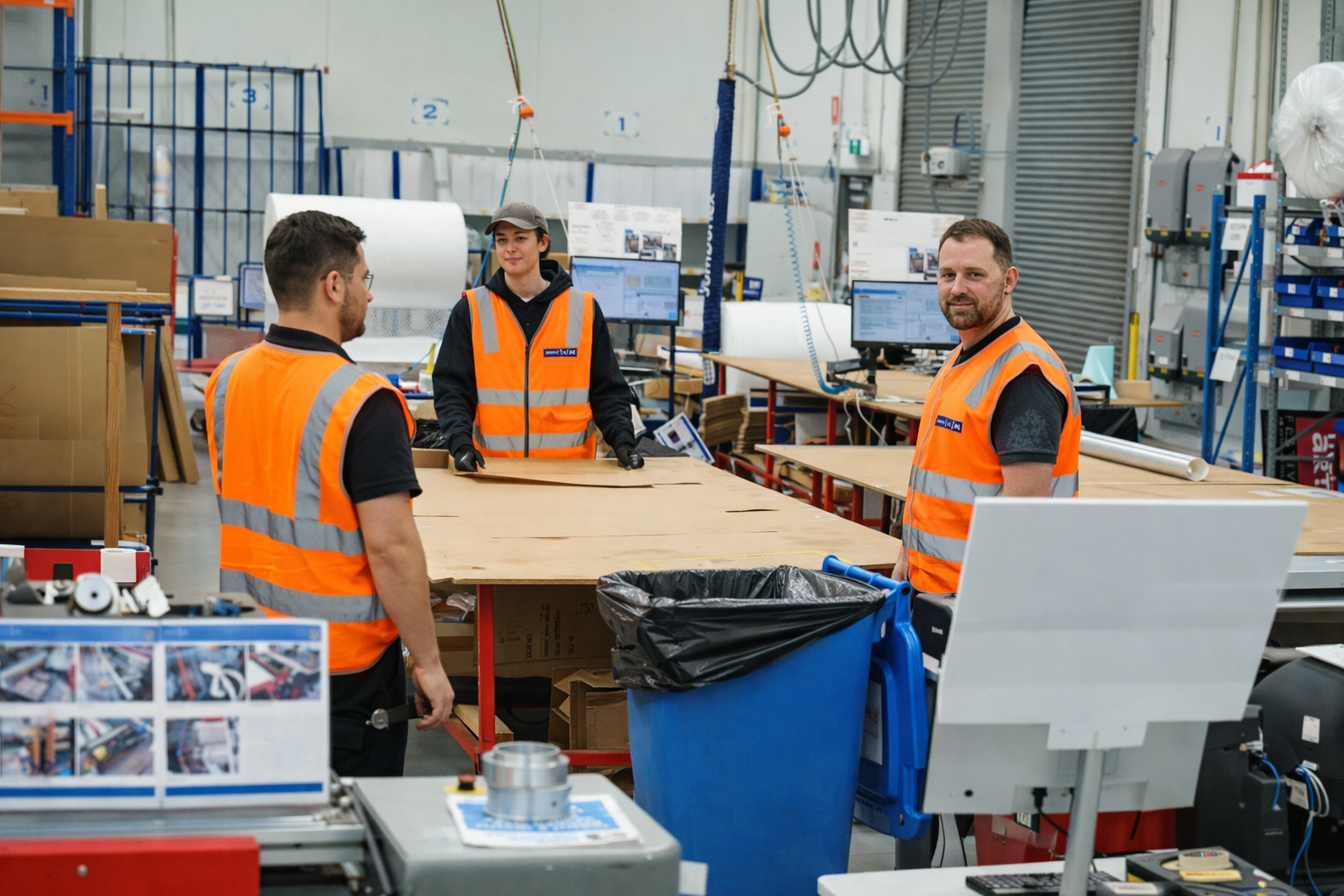
Read on (and watch) to learn why we have strict, print job cut off times for certain products. We break down how that enables service levels above and beyond the competition. Mediapoint averages 150+ orders a day. To deliver on these with next-day turnaround, we have established Lean processes that other trade printers can’t compete with. A strict printing cut-off time of 1pm underpins these procedures. At this time, every day, our system automatically locks out any new next-day orders. From there, automations begin to run; preparing all inventory, equipment, artwork files and staff required for a batched print run.
Learn more about the Mediapoint ordering process and why we require all shipping information / labels for print orders upfront. Simply put: our print process is too fast to wait around for shipping information. We need all info and necessary labels at the start of an order because once it’s confirmed every step of production and dispatch is locked in. We’ve invested time and money into creating a streamlined print process underpinned by leading edge technology. Once a job is placed into the production schedule it cannot be changed.
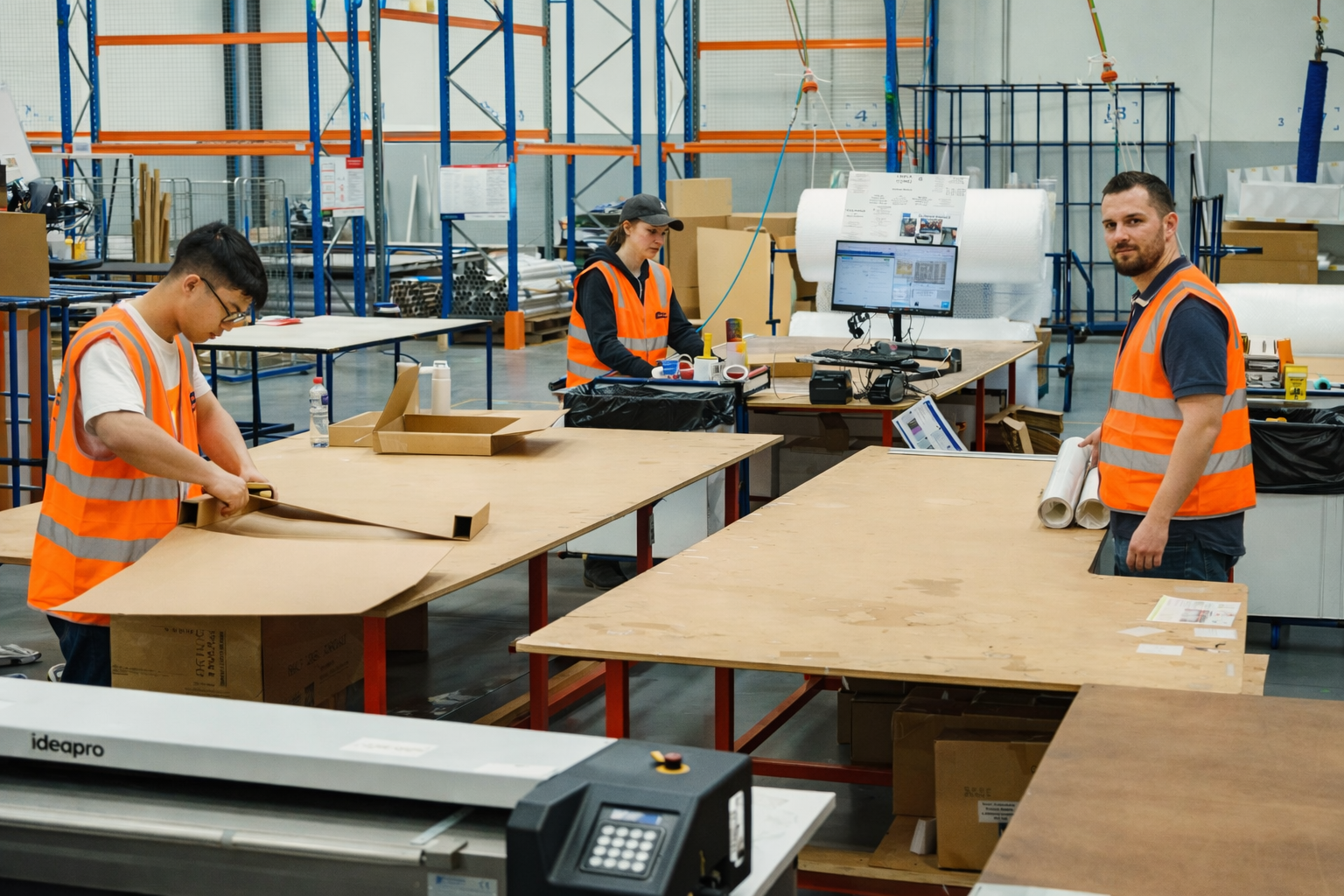
In this article we detail our Mediapoint’s print process and how that facilitates expedited completion of print jobs for customers. We operate by a single rule when it comes to dispatching: One Job is One Dispatch. Whilst other trade printers may split orders or create kits to be dispatched to multiple locations, we’ve consciously chosen not to do this. When you order using our self serve printing system we treat that order as an individual batch intended for one destination.
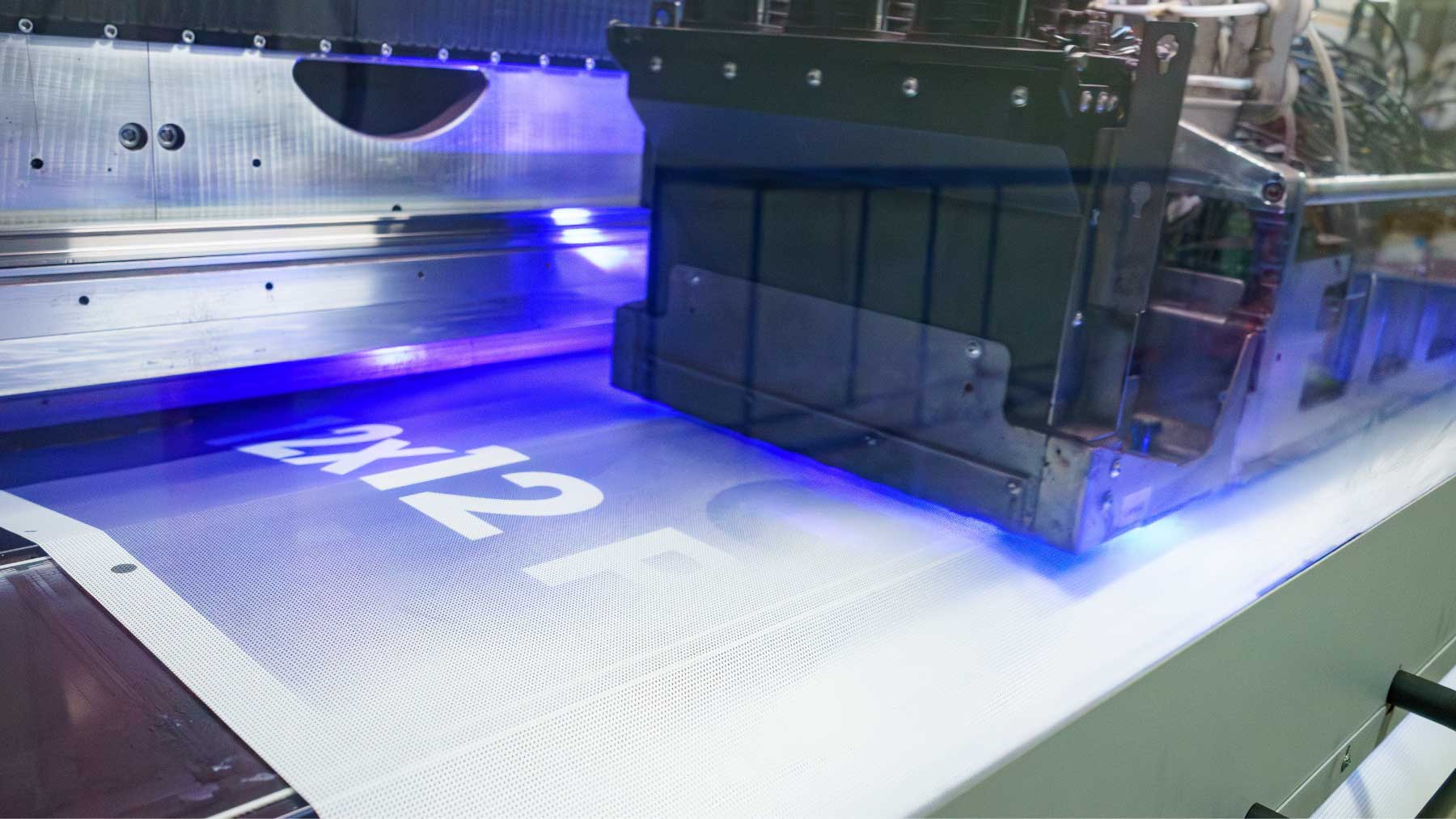
In this article we’re taking a further look at the inner-workings of our automated printing system. Jamie explains why we can’t (and don’t) change a job once it hits production. We’ve previously touched on our automated processes. They bring benefits to efficiency as well as pricing. Today, Jamie delves into why we can’t adjust orders once they hit production. Watch and read on to learn more about our automated print system.
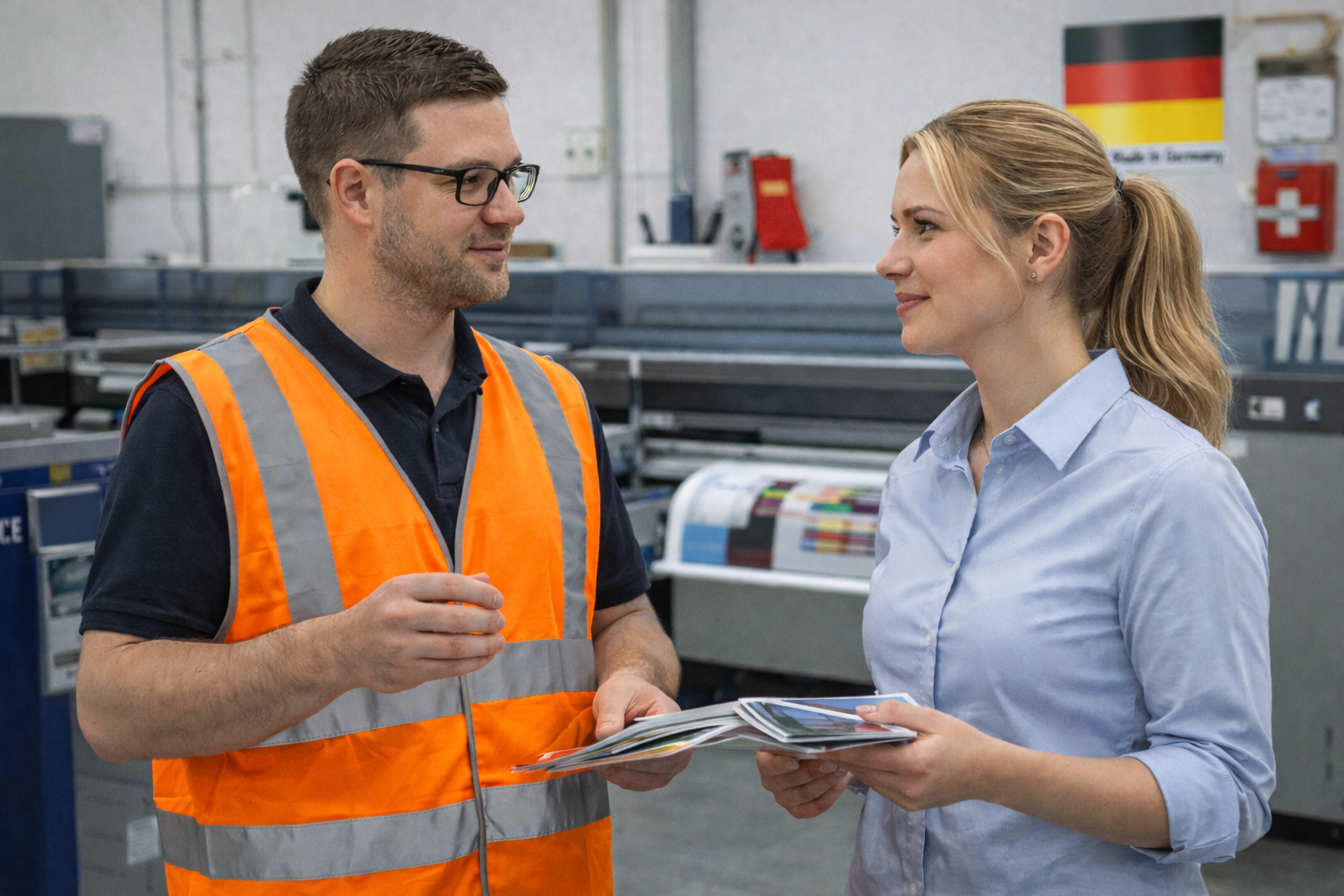
The Australian print industry and Europe are, naturally, quite different. From the way they approach the business of print through to the elements of production they prioritise. In this blog, we discuss the main differences we identified on a recent trip to visit trade printing facilities in Europe.
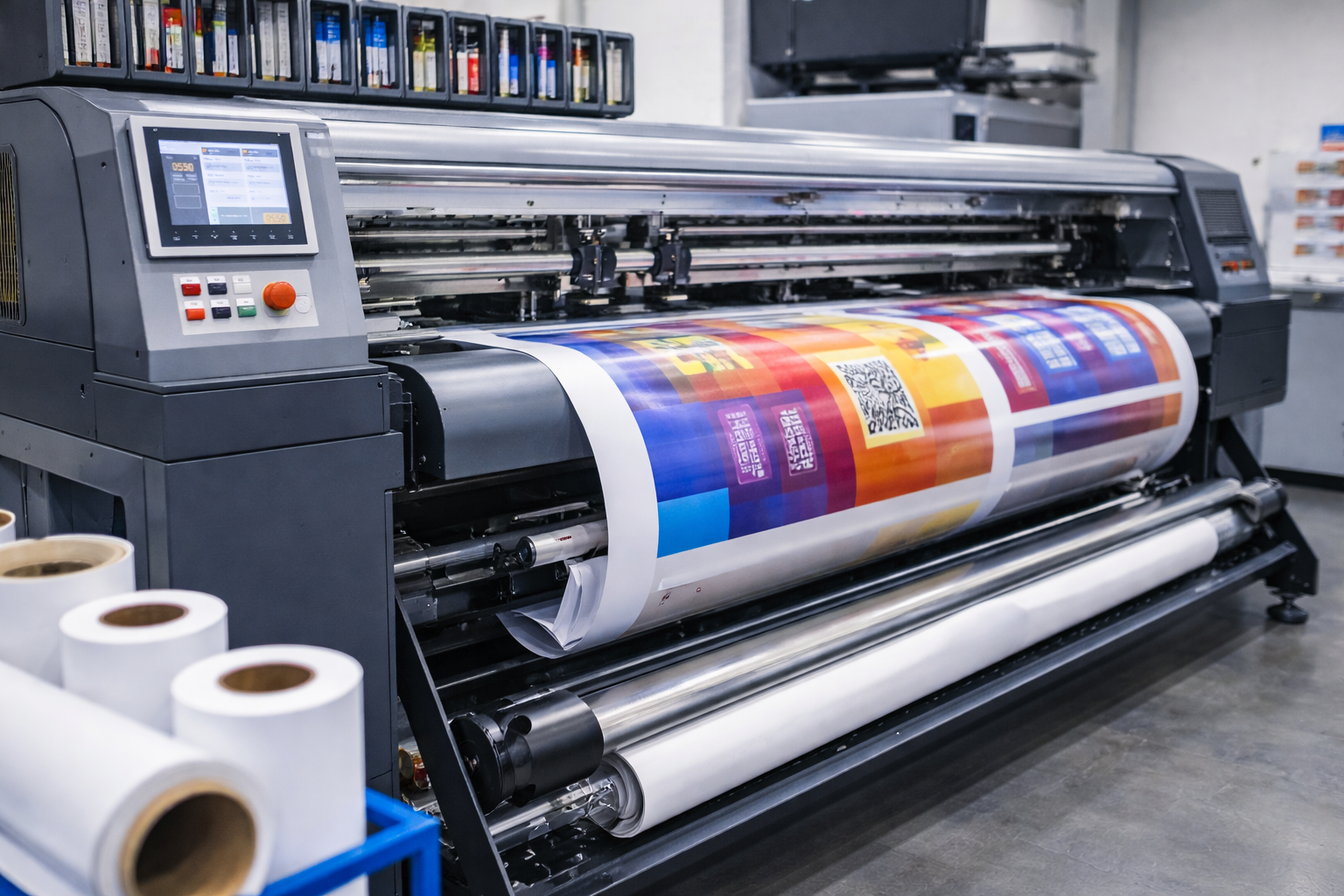
Increase Profits by Offering More Products to Your Existing Customers. It’s highly likely the bulk of your revenue comes from existing customers, who already buying from you. You’ve built up a relationship with them and you’re likely to be their go-to supplier. But there’s a finite amount of products and stock you can hold / offer without taking up costly space. Not to mention the compatibility of these materials with your existing equipment.
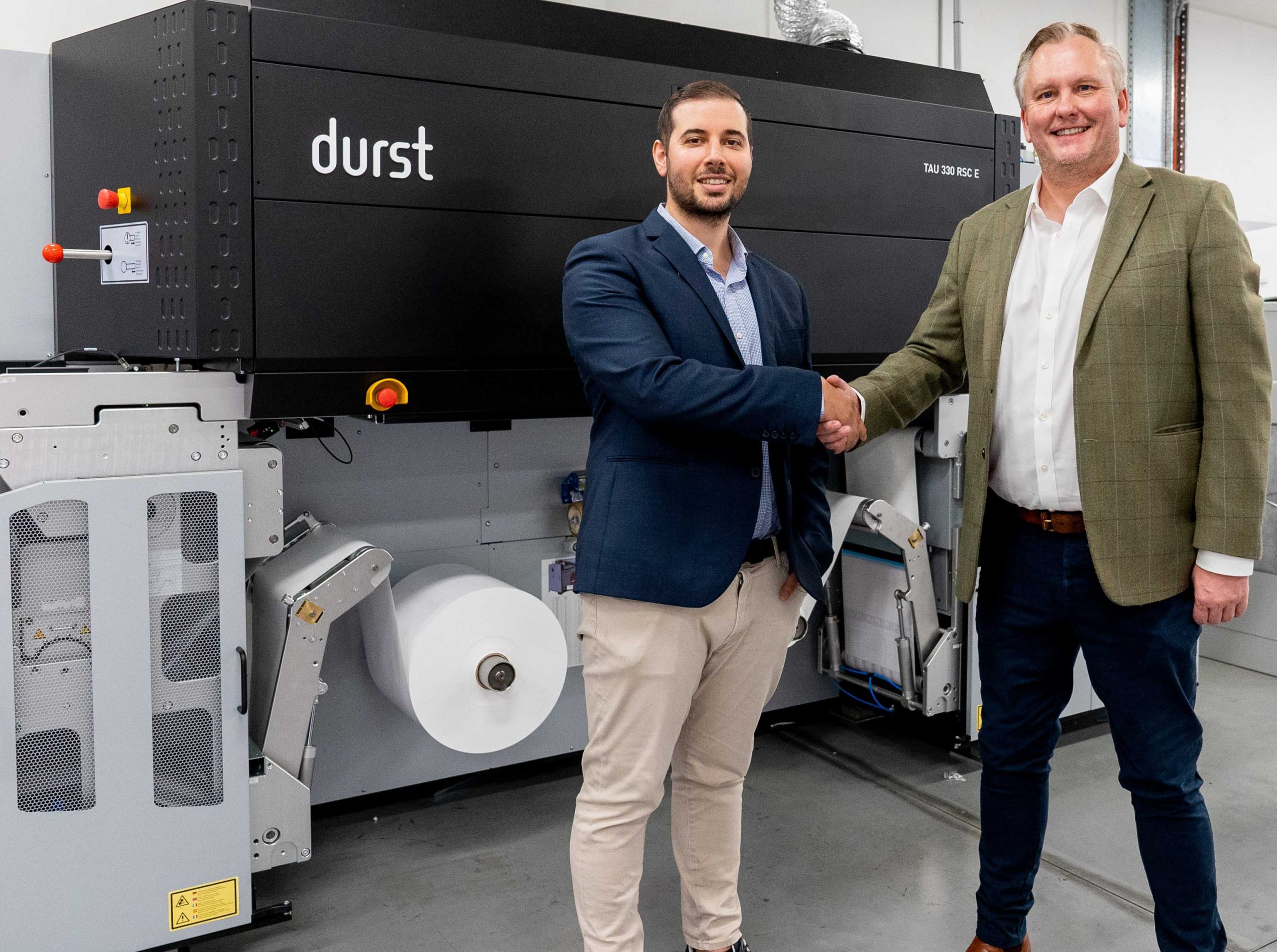
As a leading Australian printer we have established strong relationships with our equipment suppliers. See how we work in tandem with Durst – one of the global names in print. You’ll often hear us say Mediapoint is the best-equipped trade printer. We stand behind that statement and pride ourselves on always looking for the right machinery for each job. Luckily Mediapoint has also established a strong relationship with Durst – manufacturers of some of the best printing equipment in the world. We are able to trade ideas and discuss ways to do more with our equipment. This ensures we’re running our equipment optimally, providing the best output for trade printing customers.
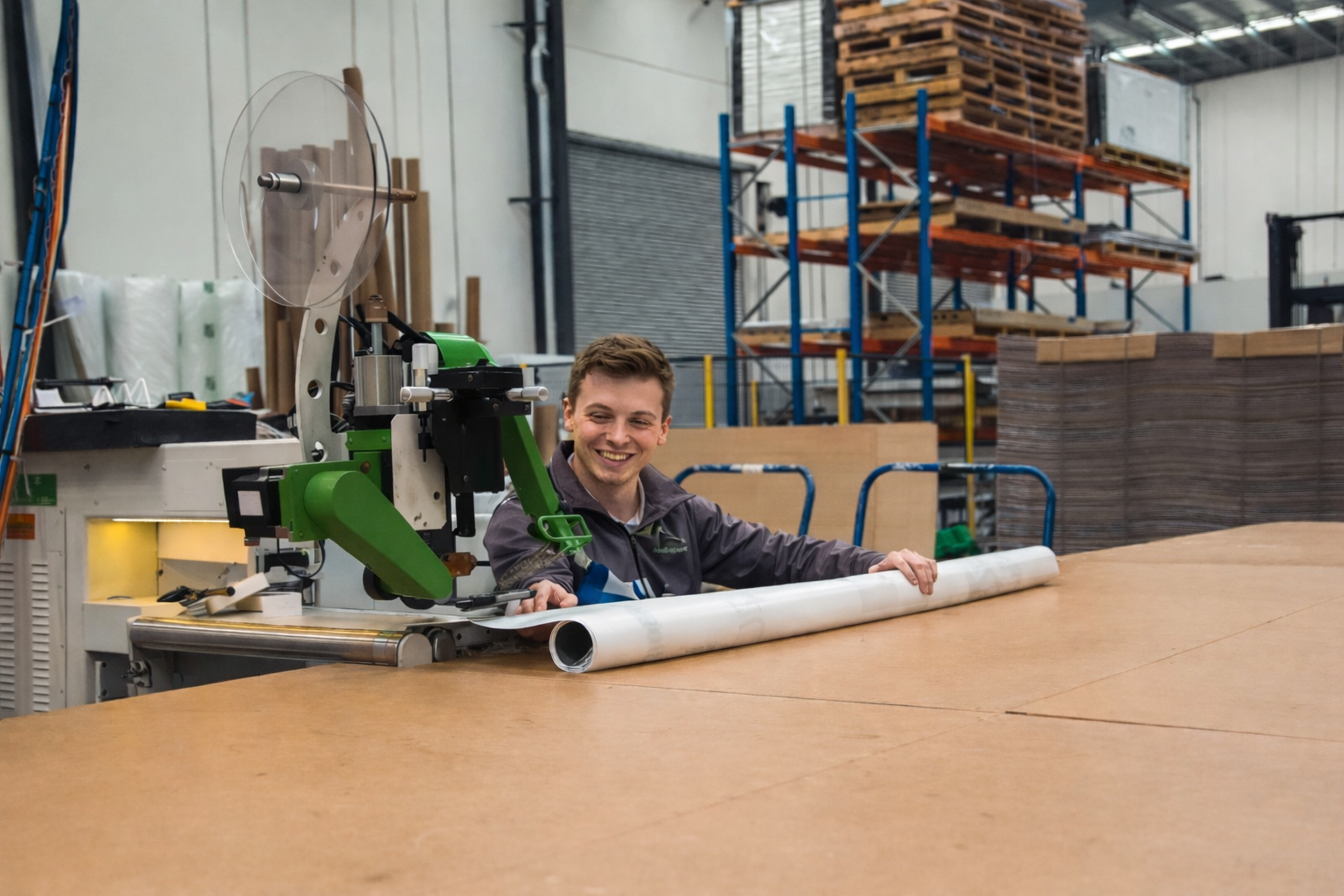
Eyelet placement isn’t just a finishing detail, it affects how a banner installs, handles wind, and lasts over time. This guide explains the different eyelet options available and how to choose the right one for each application.

We are excited to announce that we are procuring a Durst P5D4 flatbed printer. This will significantly increase our flatbed printing volume without sacrificing quality. This new machine is a major investment for Mediapoint. We believe it will be a game-changer for print resellers and brokers. The Durst P5 D4 printer is a state-of-the-art flatbed printing machine that is designed to handle large volume orders with speed and precision. It includes key automation features that integrate seamlessly with our existing systems and processes. This allows us to take on more print jobs at good quality, with faster turnaround times, and higher volumes.
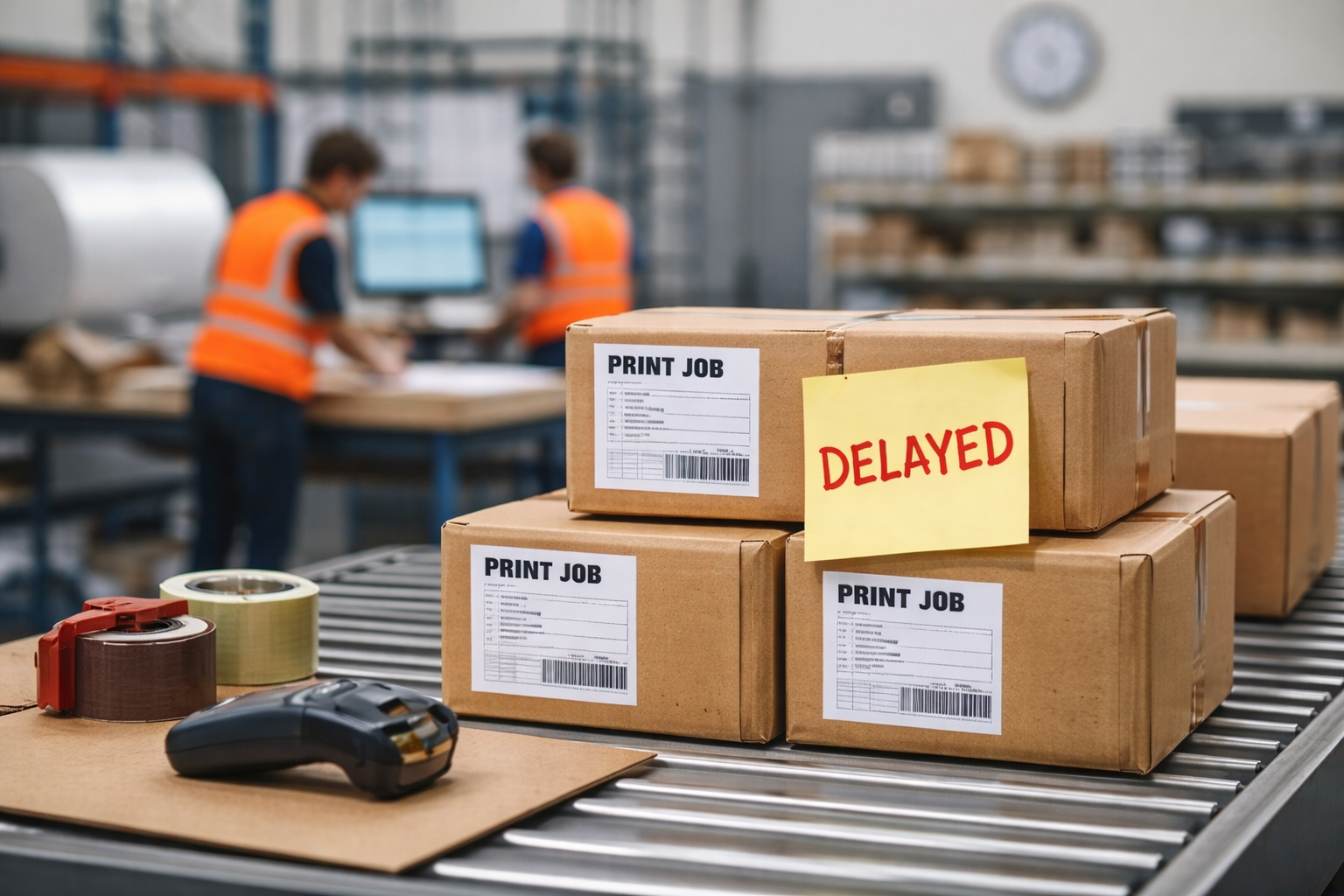
Our trade printing process is fast – we can guarantee that. What we can’t guarantee, however, are shipping times. This comes down to a few factors but it boils down to the fact that we don’t control the courier process. Everything up to the point of dispatch has been designed by us for efficiency. Automation, print modes, human inputs (where necessary), printing equipment placement – it’s all honed and continually reviewed. We’ve previously discussed how printing cut off times underpin our efficiencies – unfortunately couriers don’t operate the same way.